🌍 WODE Since 2003 ⭐ 23+ Year Industry Experience ✓ Verified Elite Supplier
 ✓ Verified Elite Supplier ✓ Verified Elite Supplier
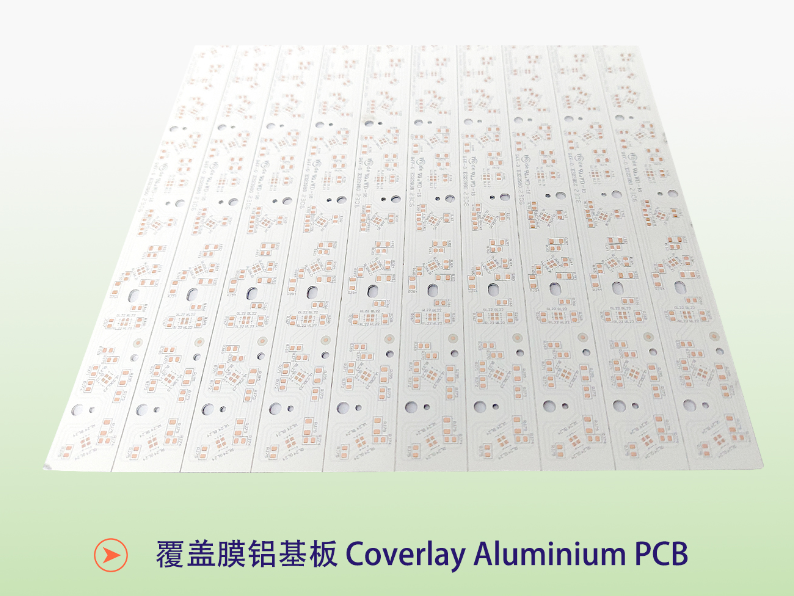
Coverlay MCPCB explained: how a film solder mask protects single-sided aluminum LED boards, WODE's documented Al1060 1.6 mm specification, and what buyers must verify.
2026-11-12 07:14:42
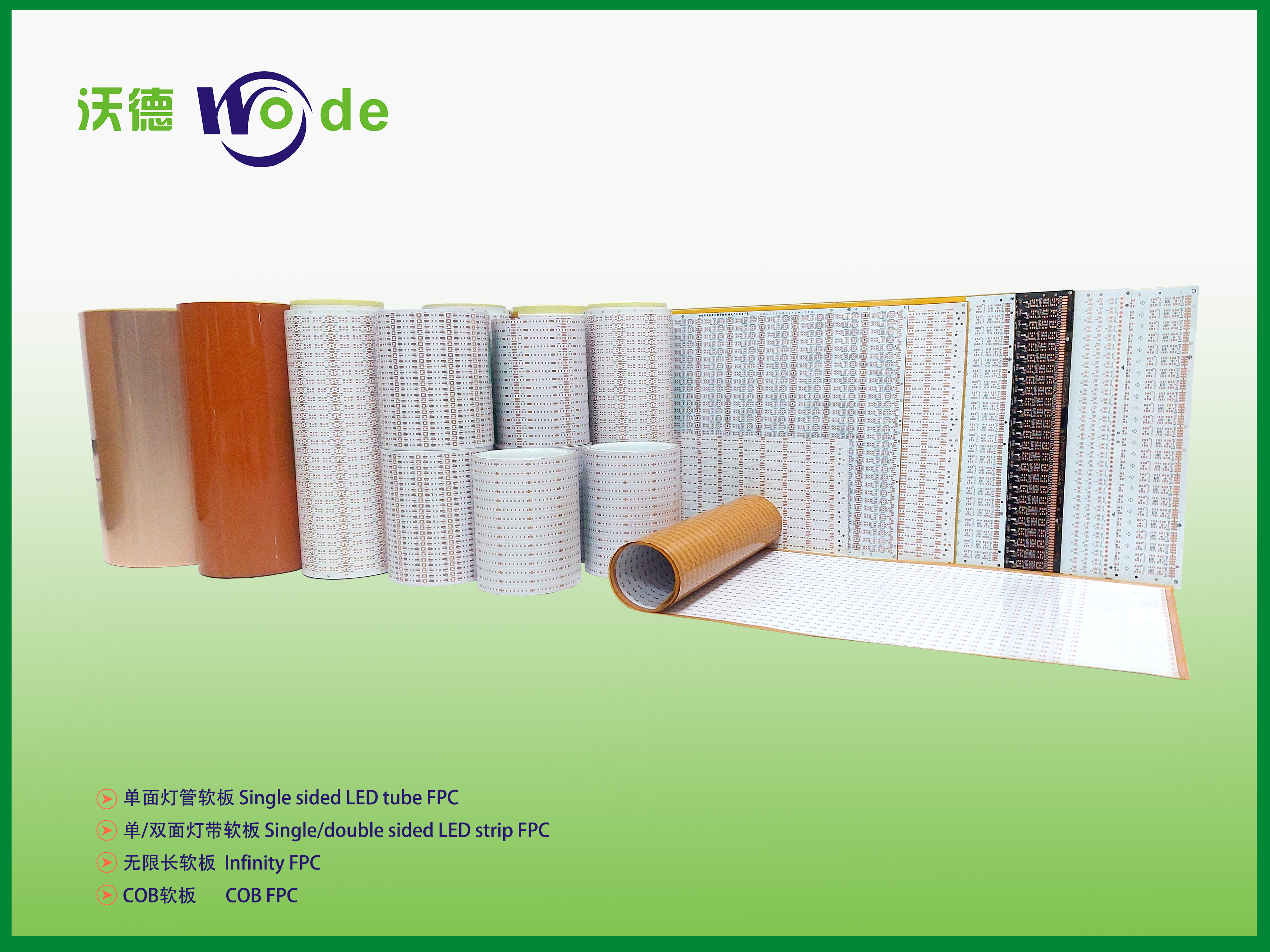
How long-term LED PCB partnerships work: purchase terms, acceptance criteria, sampling, lead times and after-sales support from WODE Circuit Technology.
2026-11-12 05:37:53
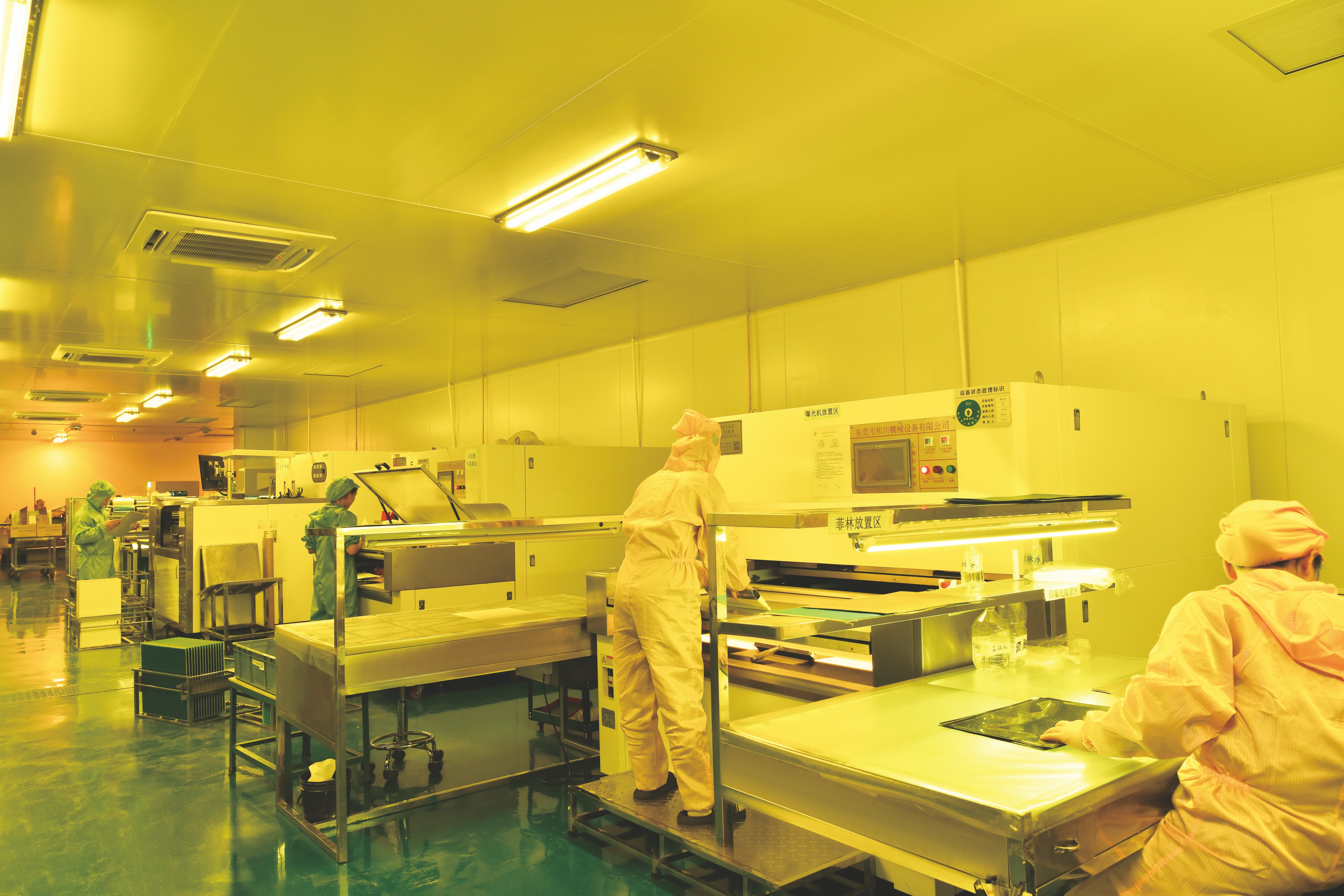
Rigid LED PCBs fail in curved tubes and reel-fed strips. Compare WODE flexible LED PCB options: PI base, 0.5/1 oz copper, 0.08-0.15 mm, UL 796F E498836.
2026-11-08 05:35:47
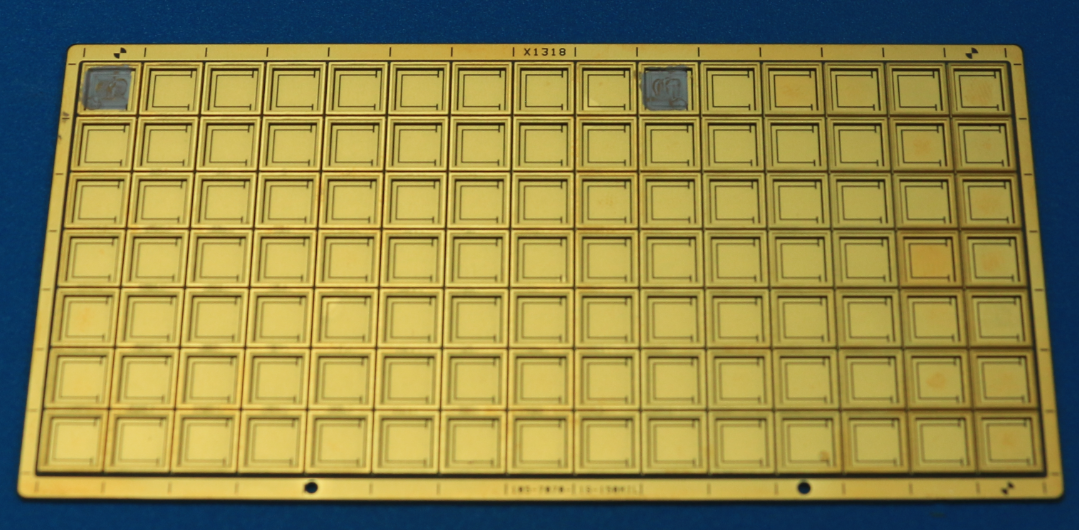
Ranked picks of WODE MCPCB products for lighting and high-voltage designs, with verified specs for ceramic, copper-based, Al1060, Al5052 and FR-4 boards.
2026-11-08 05:33:01
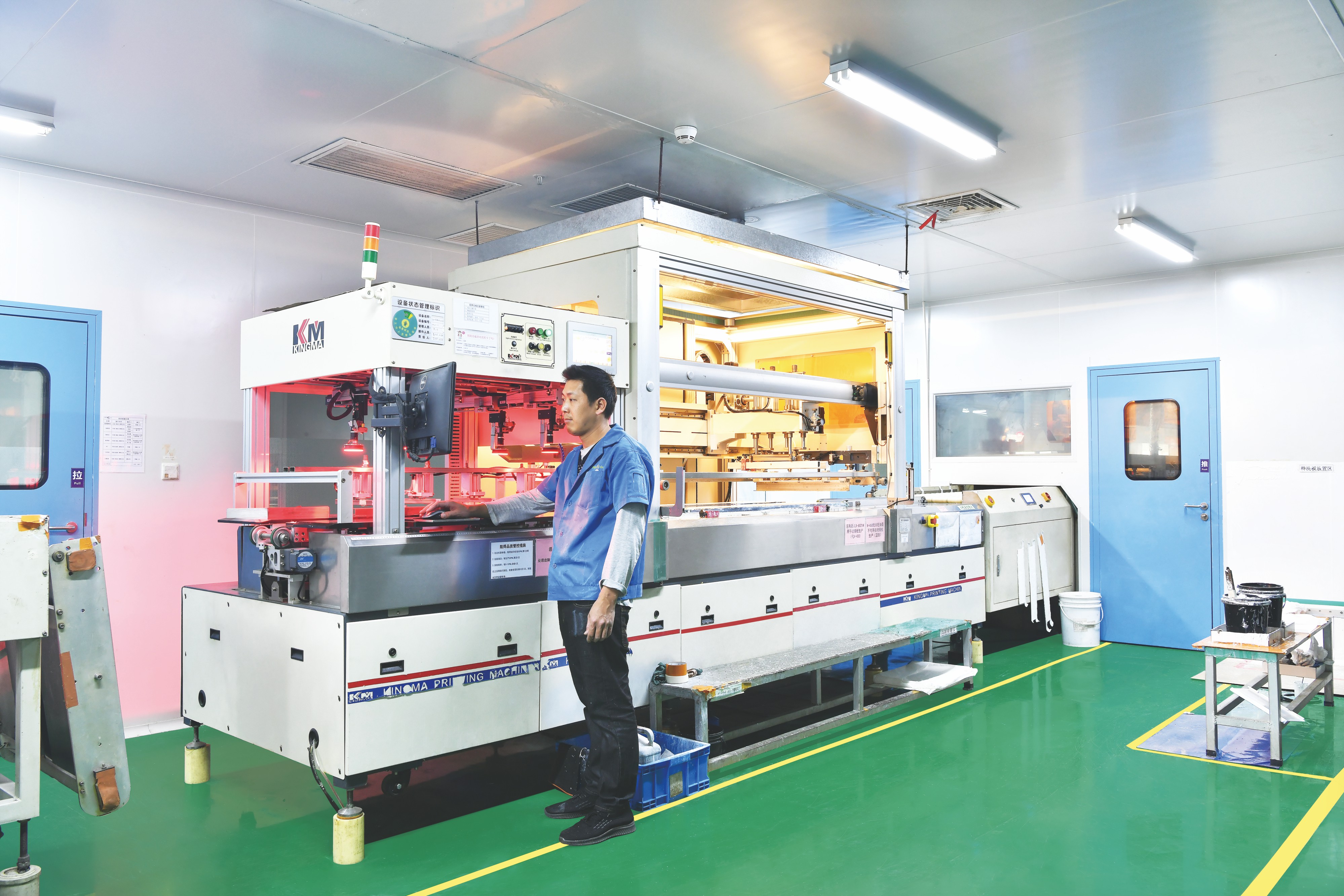
LED PCB 101 explains CEM-1, CEM-3, FR-4, aluminum MCPCB and PI flexible circuits, how each is used in lighting boards, and the order to specify them.
2026-11-04 08:07:43
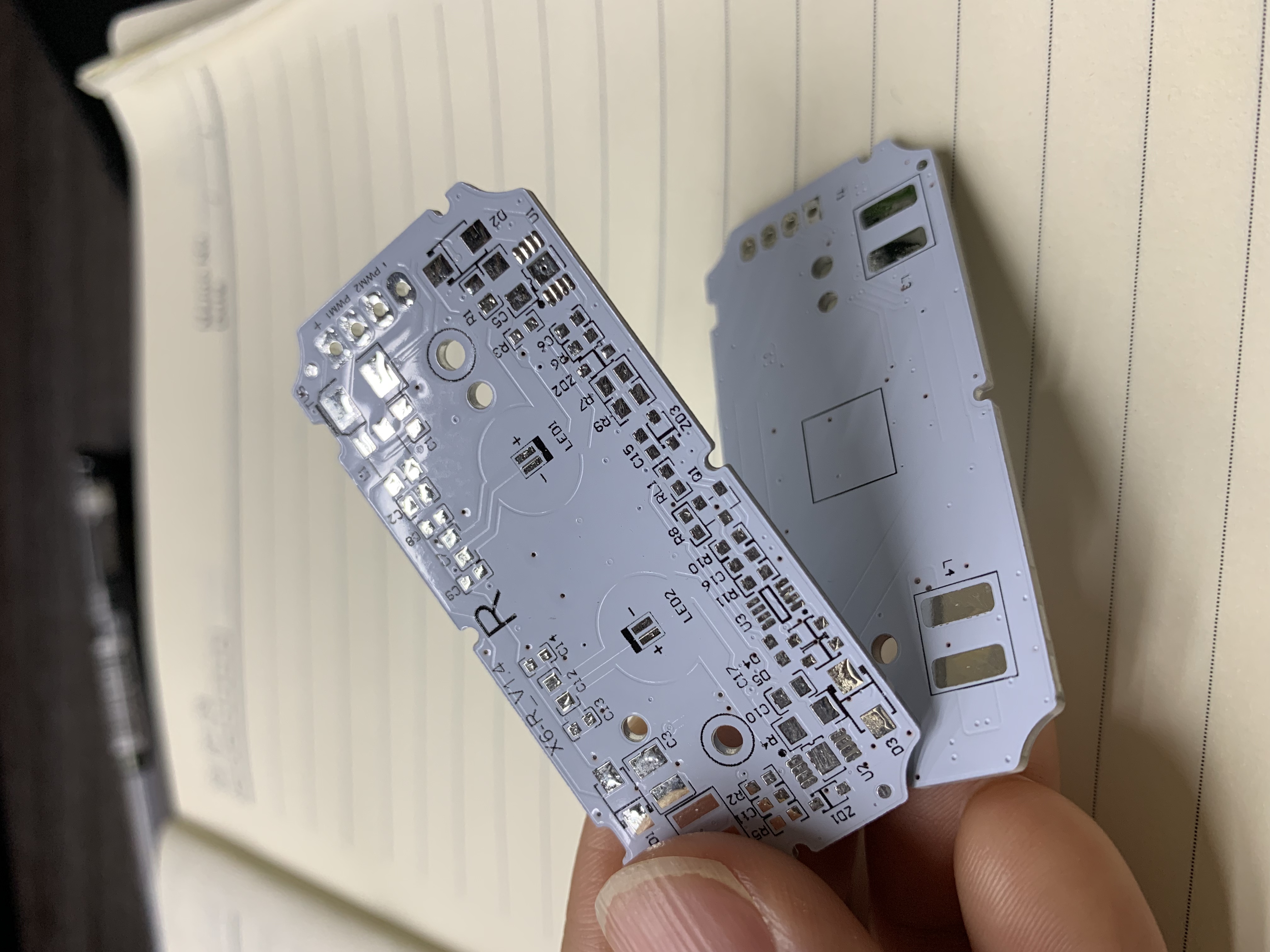
Compare single-sided, double-sided and thermoelectric separated MCPCB structures on materials, copper thickness, surface finish, purchasing terms and long-term supply.
2026-11-04 08:03:45
A beginner's guide to MCPCB construction: how coverlay layers, ceramic cores and aluminium or copper bases differ, what the dielectric does, and how to verify certificate scope before ordering.
2026-10-23 07:12:35
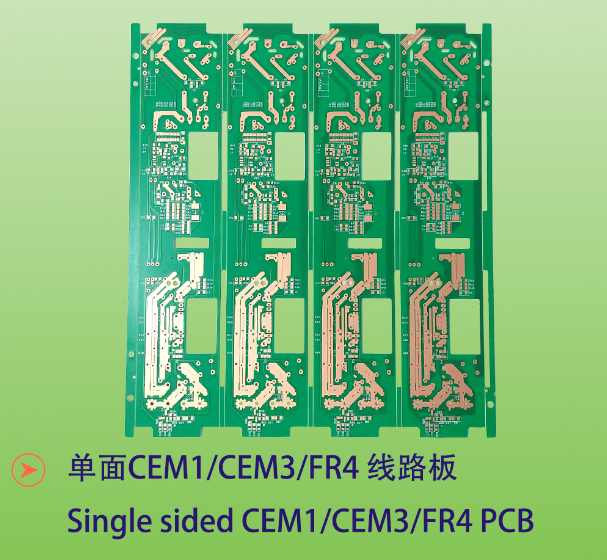
Match WODE LED PCB families to lighting scenarios: single-sided CEM1/CEM3/FR4 and aluminum, double-sided FR4, COB FPC, strip, tube and roll-to-roll FPCB, with copper weight, thickness and panel data.
2026-10-23 05:34:33
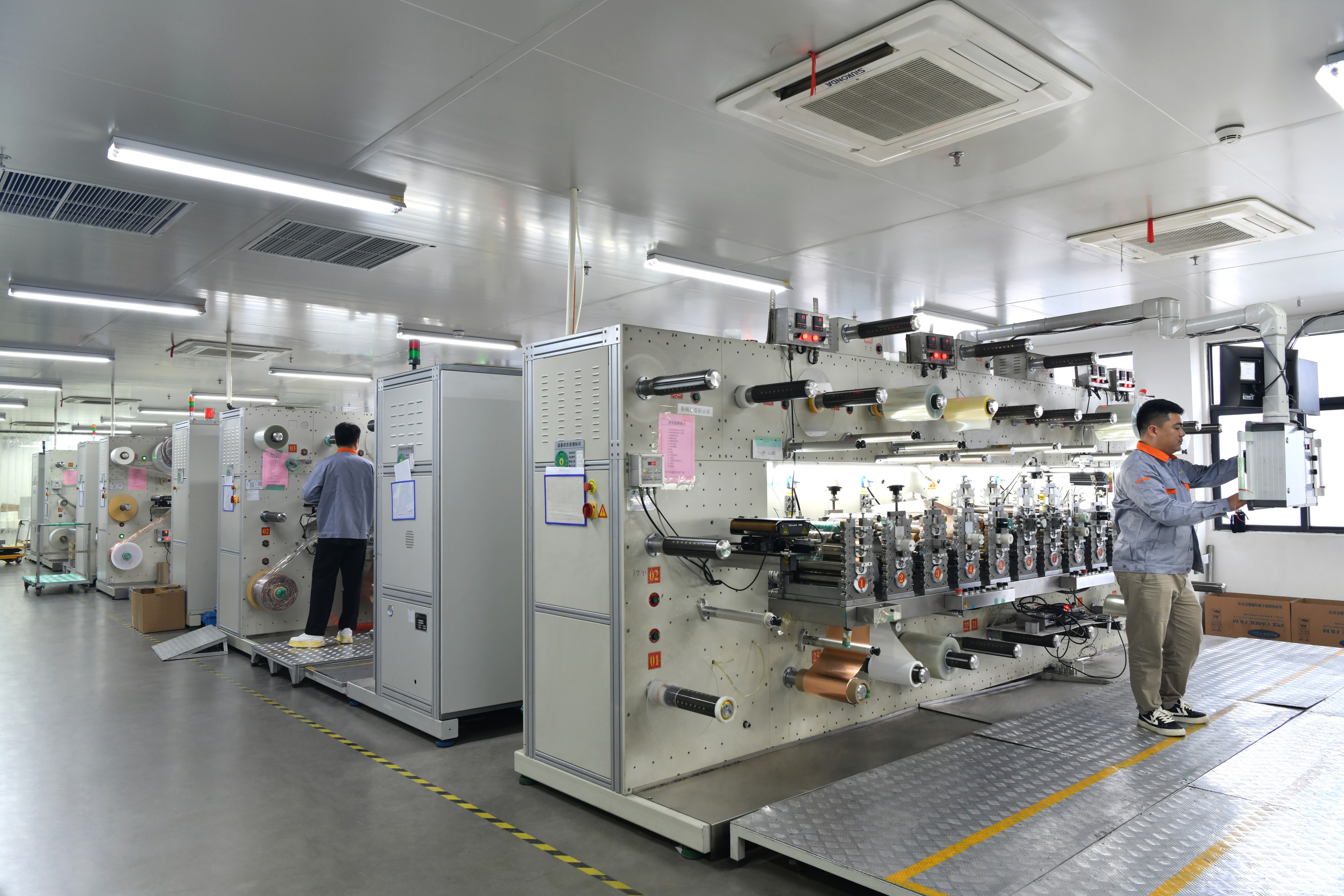
COB FPC vs standard LED strip FPC: a head-to-head LED PCB decision covering structure, layer options, thermal path and application fit for lighting modules.
2026-10-19 07:27:08
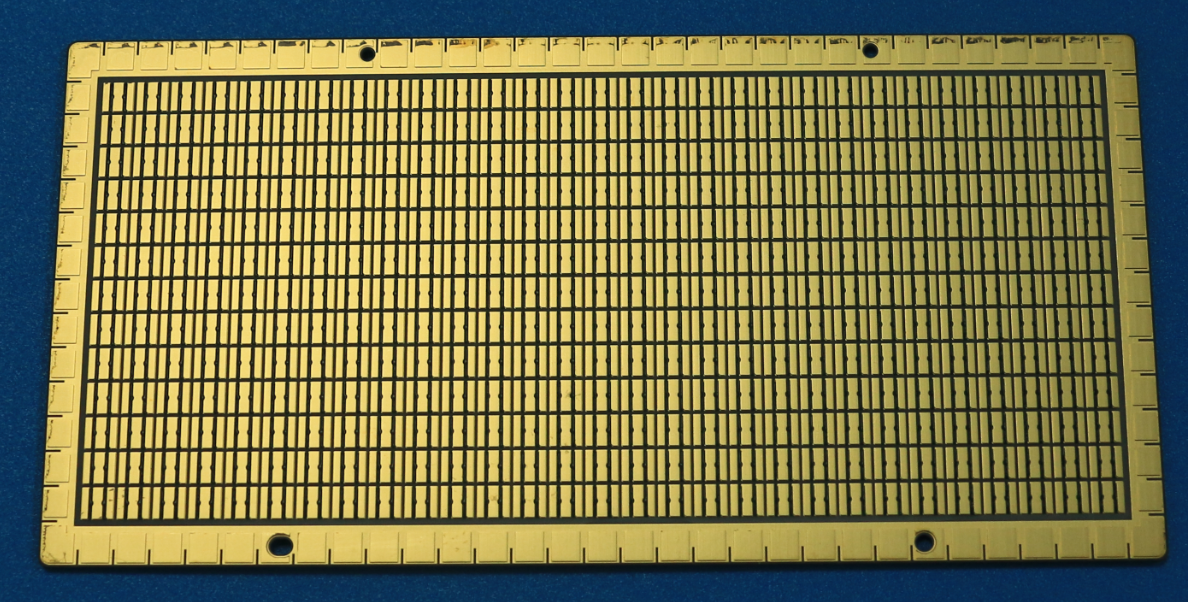
MCPCB compliance explained: company-level ISO 9001, ISO 14001 and IATF 16949 certification versus product-level UL, RoHS and REACH for EU and North American buyers.
2026-10-19 07:23:44
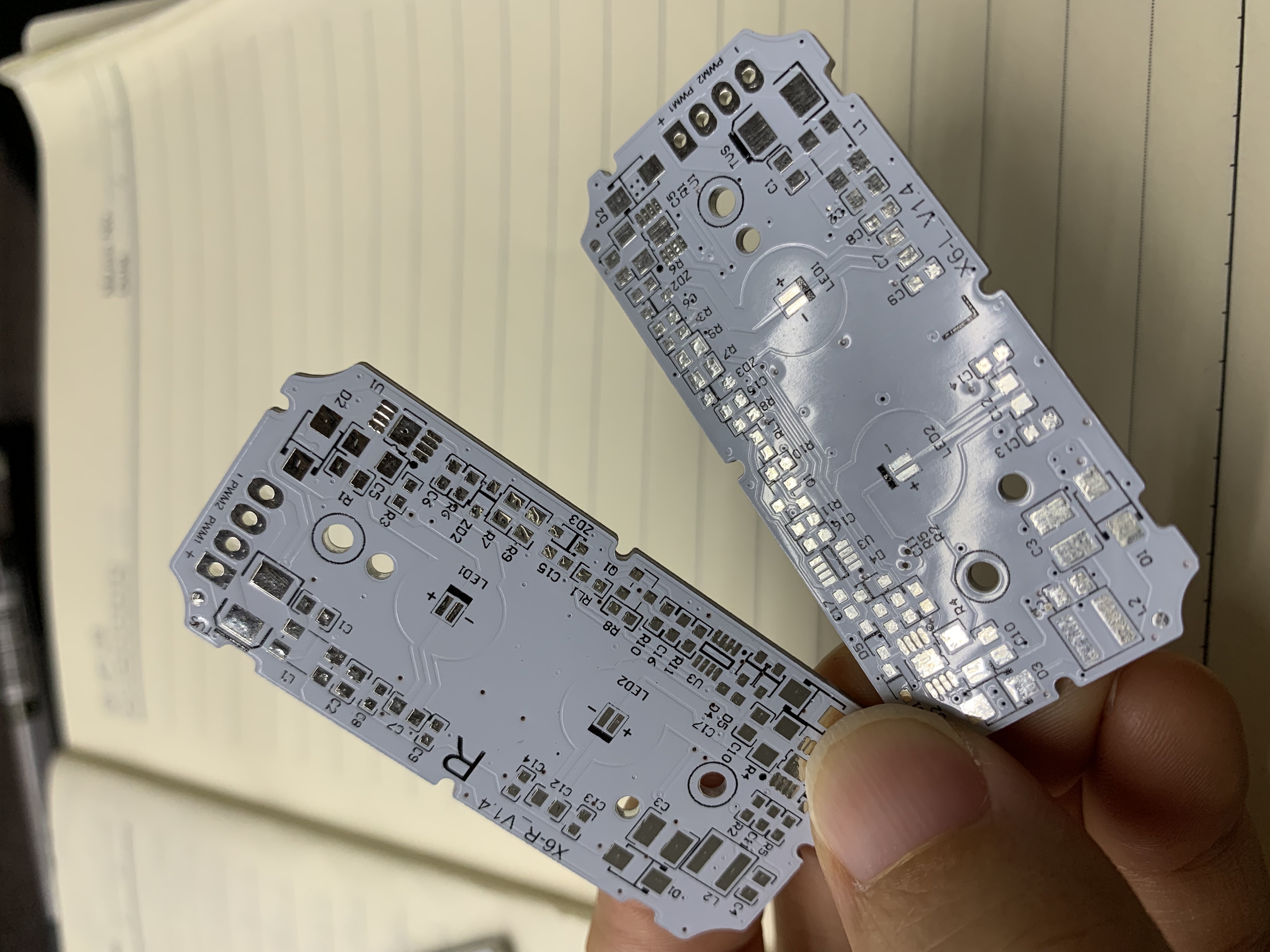
Aluminum vs copper base MCPCB for high-power LEDs: when a double-sided aluminum board is enough, when thermoelectric-separated copper pays off, and what to verify.
2026-10-15 05:32:56
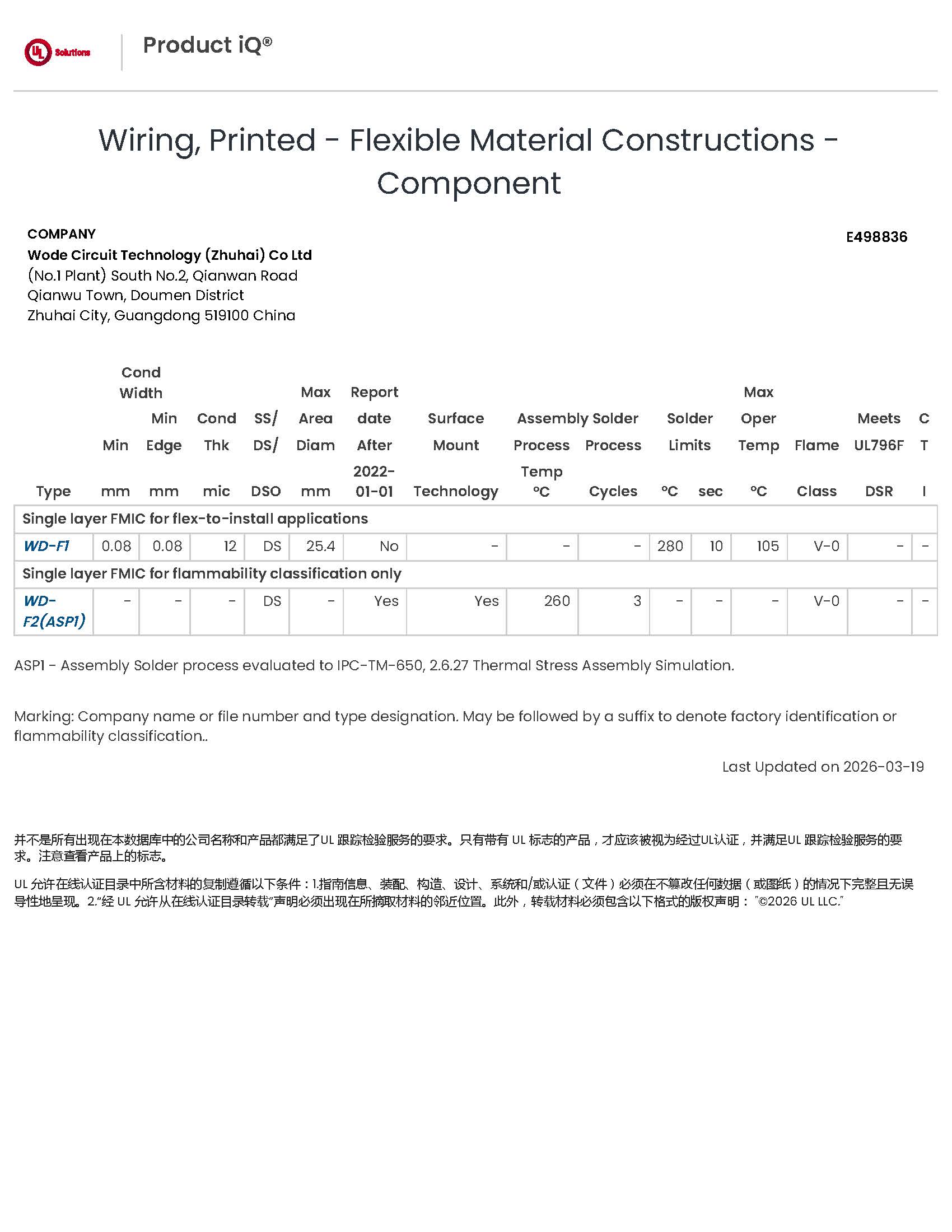
Technical guide to PI flexible LED PCBs: compare LED tube FPC (0.5 oz, 0.08 mm), strip and COB FPC (1/1 oz, 0.115 mm) and Roll to Roll Infinity FPCB (1 oz, 0.15 mm), with panel formats and UL 796F scope.
2026-10-15 05:28:06
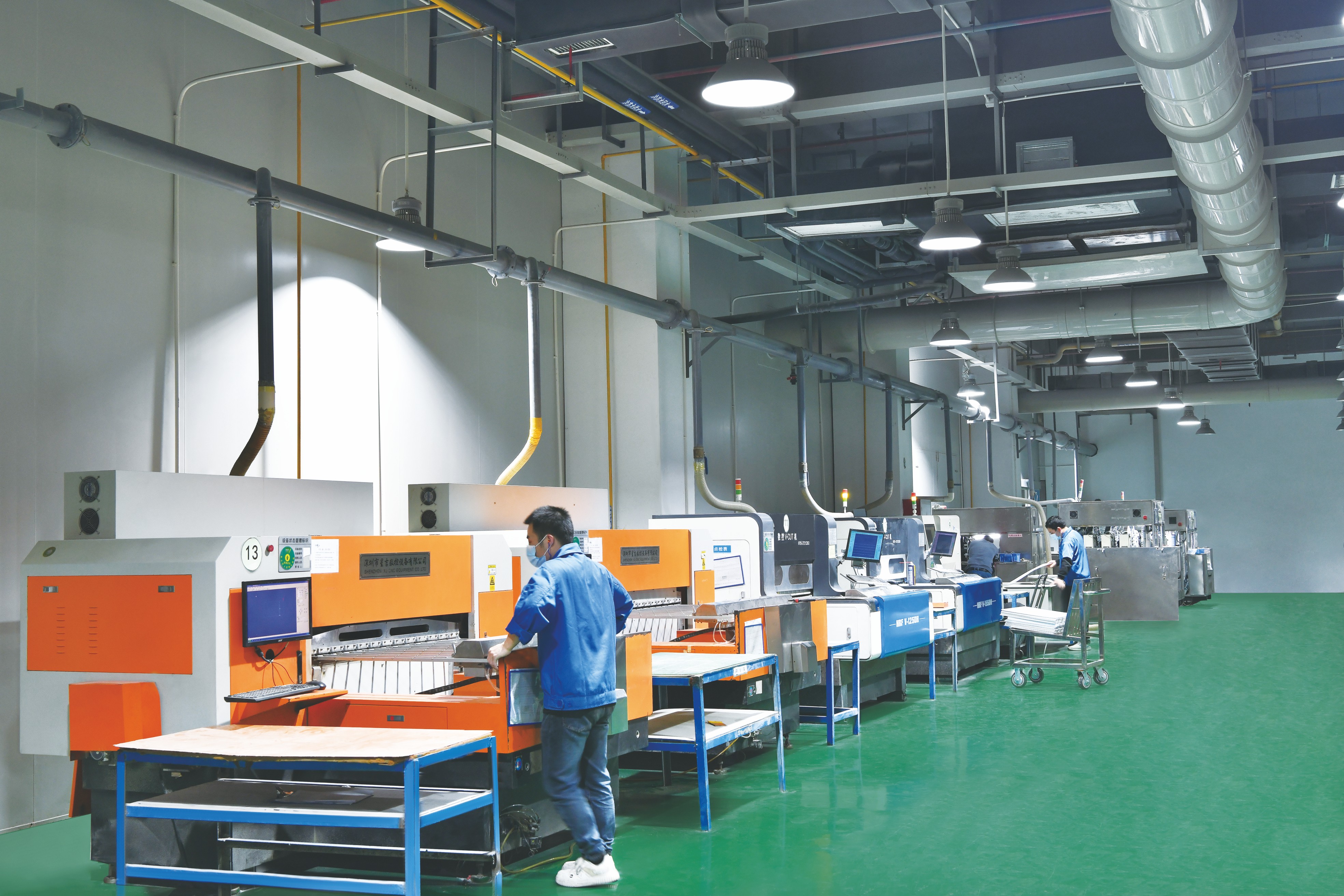
Use this 7-point checklist to evaluate MCPCB supplier capabilities - R&D, patents, certifications, capacity, MOQ, lead time and samples - before you place a metal core PCB order.
2026-10-07 07:03:15

A technical guide to MCPCB selection for LED lighting: substrate material (Al1060, Al5052, Al1, Al5), copper weight (1oz, 35um, 70/70um), thickness tolerance (1.6mm ±10% vs ±0.16mm), surface finish (HASL, HASL-LF, OSP) and compliance, with WODE product data.
2026-10-07 06:17:04
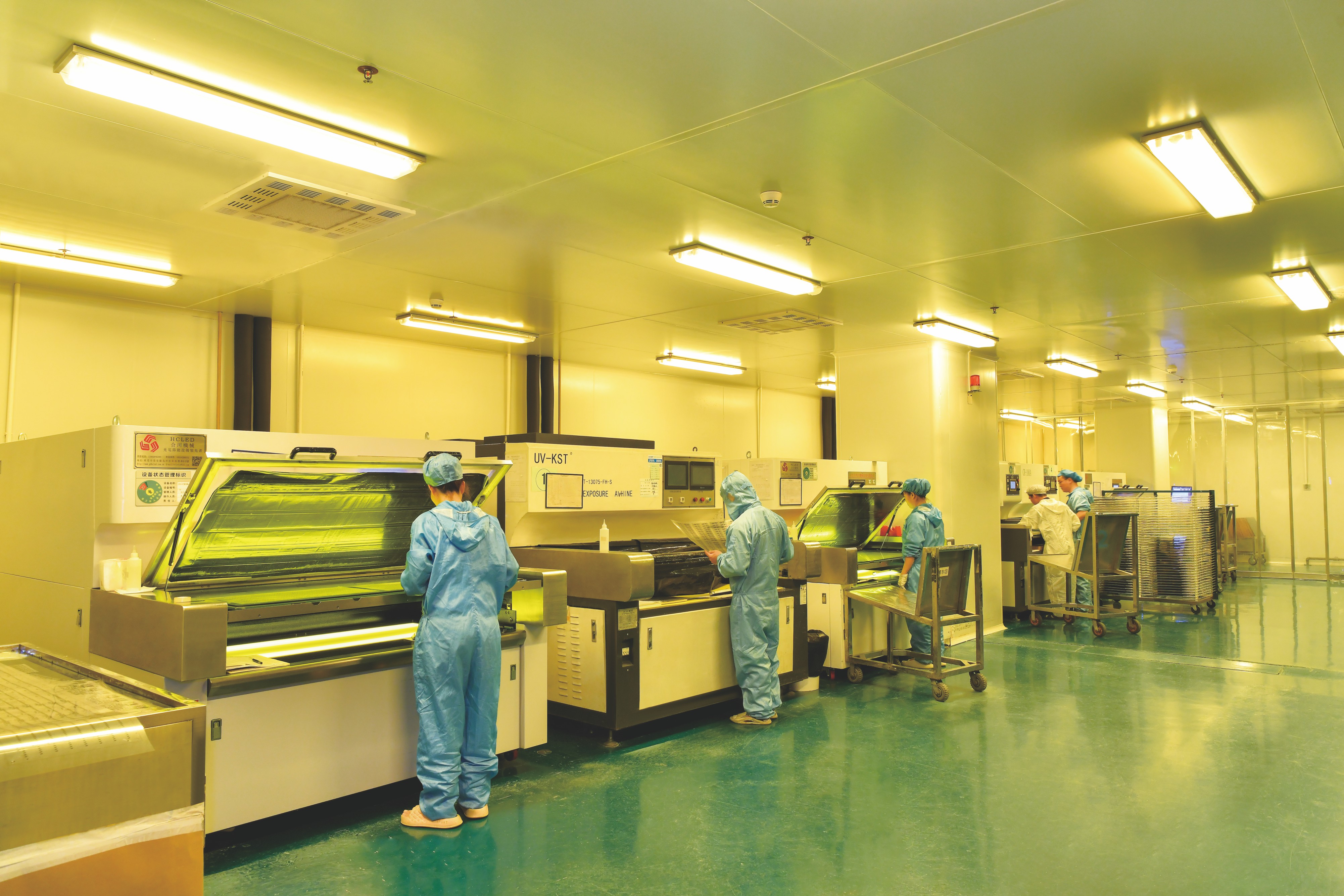
UL 796 covers rigid LED PCBs and MCPCBs; UL 796F covers flexible circuits. Learn how to verify UL file numbers E323980 and E498836 before you buy.
2026-10-07 05:37:43
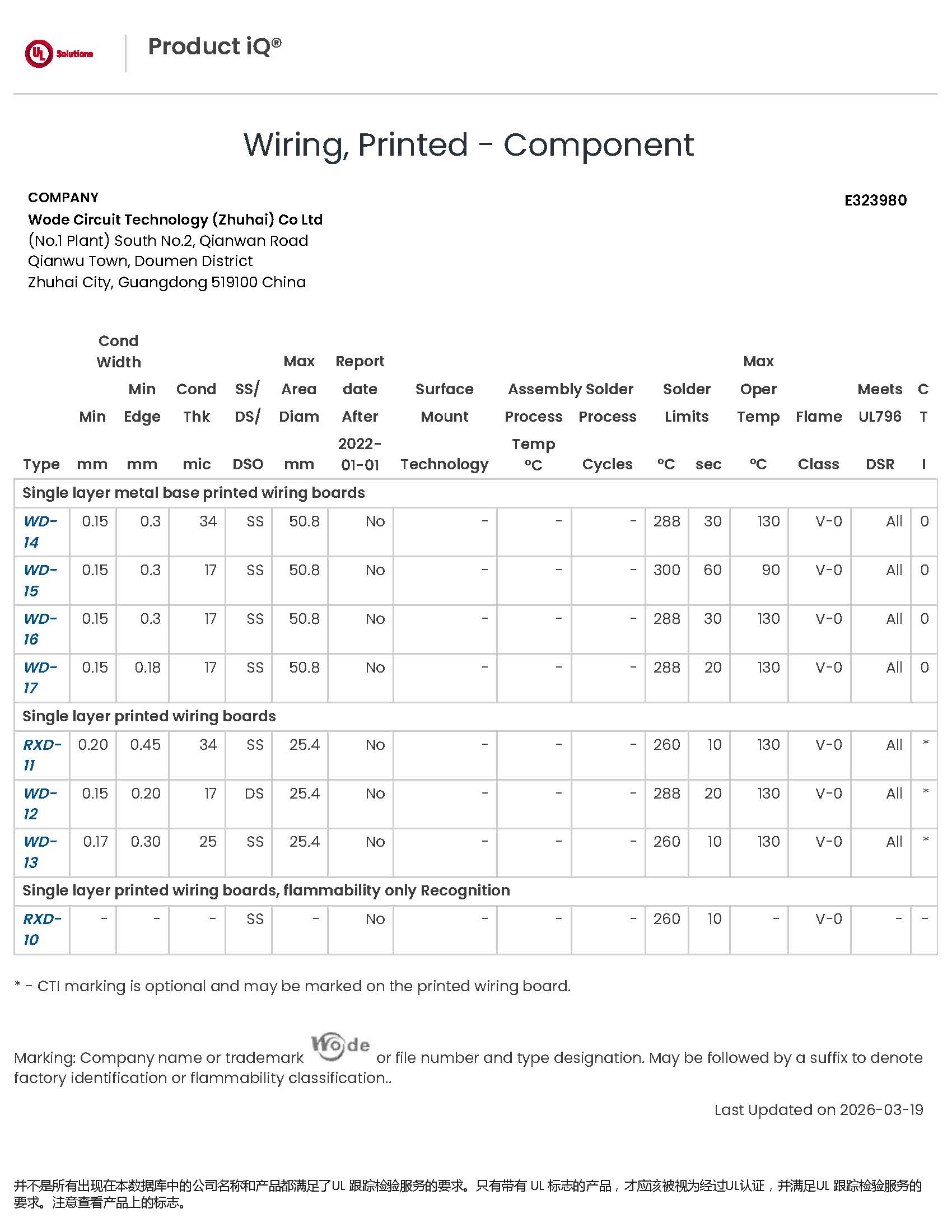
How electronics firms verify UL, RoHS and REACH documents for MCPCB imports: certificate scope, report numbers, validity dates and a step-by-step supplier file check from WODE.
2026-10-03 05:25:53
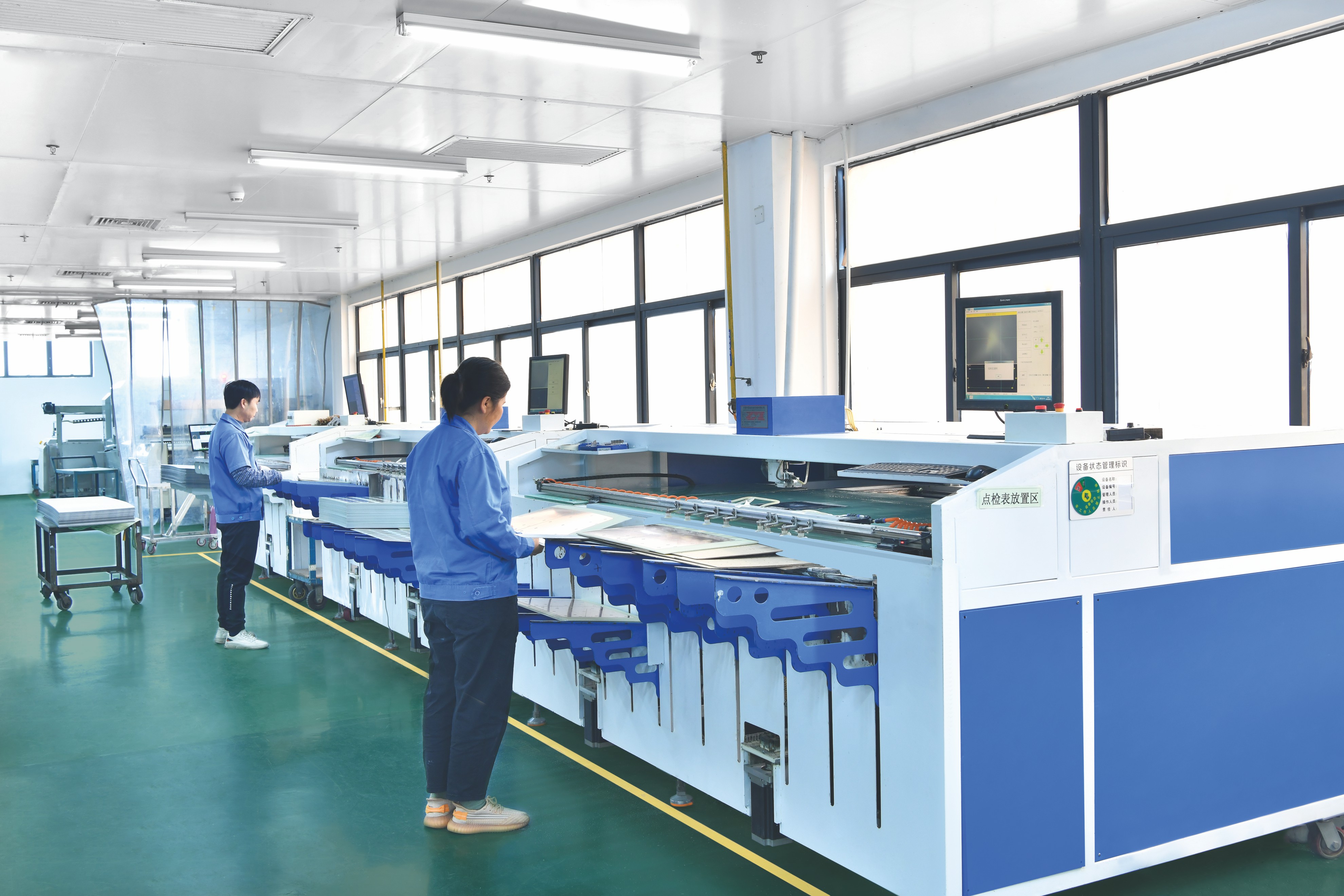
Compare indoor and automotive LED PCB requirements: thermal management, AEC-Q102 and IATF 16949 compliance, FR-4, MCPCB and FPC board options, plus supply terms.
2026-10-03 05:22:47
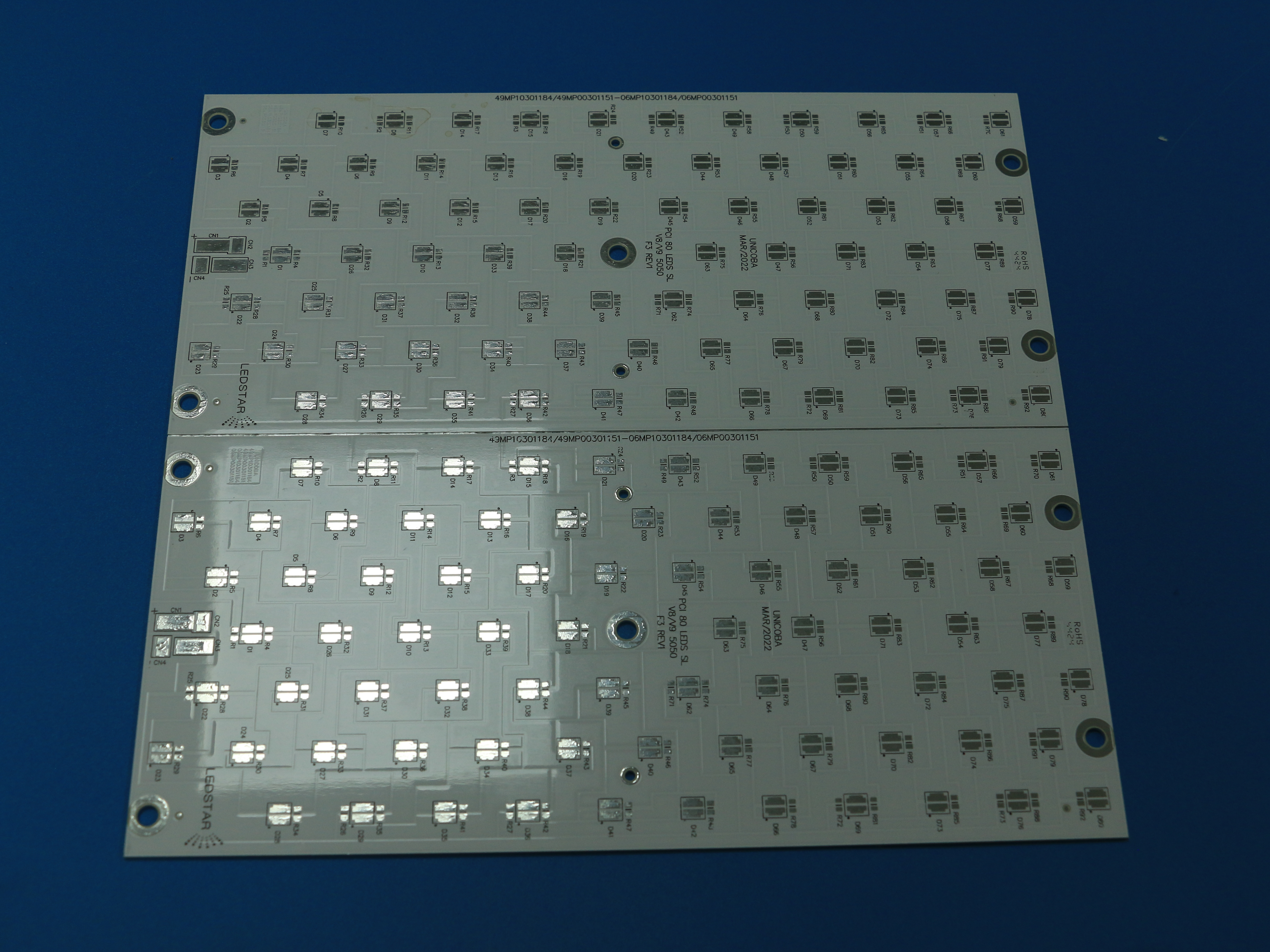
How to choose an MCPCB for road lighting: Al1060 aluminum, white solder mask, black silkscreen, 1.6 mm board on a 208.00 x 225.00 mm panel. Application guide from WODE.
2026-09-29 05:27:47
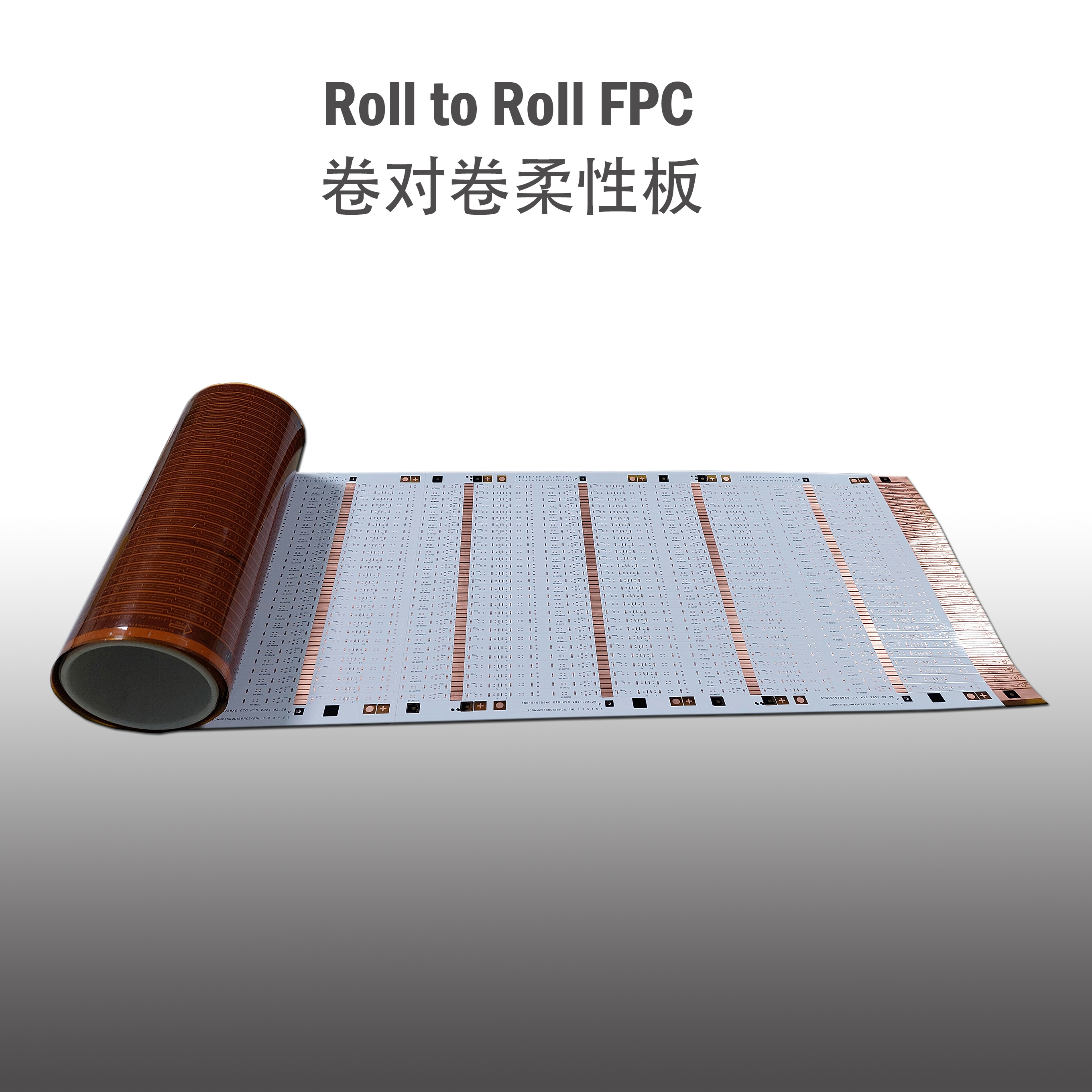
Compare WODE LED PCB and FPC options by layers, substrate, copper weight, thickness and panel size, and match each board format to your luminaire type.
2026-09-29 05:26:44
Technical guide to LED PCB specifications: how 1.6 mm and 0.08 mm board thickness, 1 oz and 0.5 oz copper foil weight, and ±10% tolerance affect performance, illustrated with two WODE board builds.
2026-09-25 06:22:44