
Selecting the Right LED PCB for Indoor Lighting vs. Automotive Lighting Projects
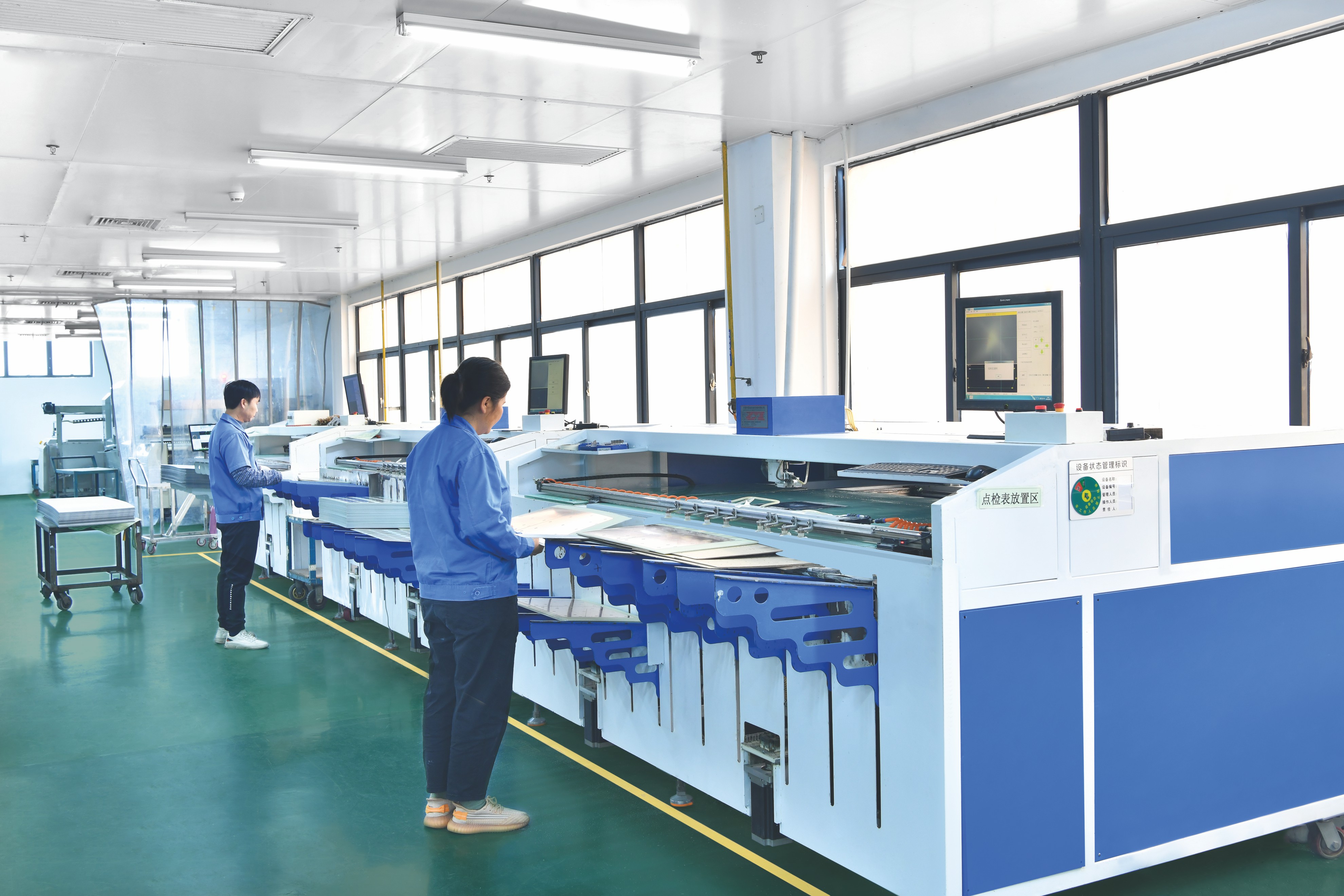
An indoor downlight and an automotive headlamp both turn electricity into light through LEDs, yet the printed circuit boards carrying those LEDs are rarely interchangeable. The indoor board is normally selected for cost, for enough thermal headroom at moderate power, and for a service life that can be measured in tens of thousands of hours. The automotive board is selected for reliability under tightly defined conditions, for heat pushed through a small area, and for a supply chain that can be audited against automotive quality expectations.
This application guide compares the two scenarios side by side, then maps the requirements of each to the board constructions produced by WODE Circuit Technology (Zhuhai) Co., Ltd. — single-layer and double-layer rigid FR-4/CEM-1/CEM-3 boards, rigid aluminum MCPCBs, and flexible FPC constructions including Infinity Length FPCB.
Buyers arriving at this page are usually past the question of what an LED PCB is. They already have a project, a housing, a power target and a compliance route. What they need is a defensible reason to choose one substrate class and one board construction over another — and a supplier able to hold that choice stable across repeat orders.
Why One LED PCB Specification Rarely Fits Both Applications
The most expensive LED PCB mistake is not a manufacturing defect. It is a specification carried over from one lighting category into another.
Three patterns repeat in practice:
- A board designed for a moderate-power indoor luminaire is reused in a compact automotive lamp, where the same wattage must leave a much smaller area. Thermal margin disappears before the design reaches validation.
- An aluminum MCPCB is specified where a rigid FR-4 or CEM board would have met the requirement, adding cost that a price-driven indoor fixture cannot absorb.
- A flat rigid board is forced into a curved or space-constrained housing, where a flexible circuit would have removed assembly stress and simplified the mechanical design.
Indoor and automotive projects differ most in three areas: how heat is removed, how reliability is demonstrated, and how the supplier is qualified. In indoor lighting, thermal design is usually solved by giving the board enough area, then moving to an aluminum substrate when power density increases. In automotive lighting, LED components are evaluated against AEC-Q102 reliability expectations, and the supplier's quality system is expected to operate under IATF 16949 discipline.
Both categories share the same fundamentals. A driver supplies constant current or constant voltage, with dimming and color tuning where the application requires it. Lighting applications generally call for a CRI of 80 or above where color quality is specified, and for a lifetime target of 50,000 hours or more. What changes between indoor and automotive work is not the vocabulary of requirements — it is the tolerance for deviation from them.
What the Market Data Says About LED PCB Demand
LED PCB selection sits inside a large and still-expanding electronics market, and the demand picture explains why supplier shortlists for lighting boards so often start in China.
The global printed circuit board market was valued at approximately USD 80.2 billion in 2025, according to Global Market Insights. Estimates differ between research firms — Grand View Research places the same market at USD 82.7 billion — so any single headline figure should be treated as an estimate rather than a precise number. China accounted for 53.2% of global PCB production value as of 2024.
On the demand side, MarketsandMarkets valued the global LED lighting market at USD 78.4 billion in 2024 and projects a CAGR of 8.5% through 2029. Within that market, metal core PCBs — particularly aluminum core — are the industry standard for high-power LED thermal management because of their heat dissipation behavior, according to Precedence Research.
Regulatory expectations shape board choice as much as market size does. LED modules are evaluated under the IEC/EN 62031 safety standard, while LED control gears fall under IEC/EN 61347-2-13, as published by UL Solutions. For rigid board quality classification, IPC-6012 is the primary performance specification. On the luminaire side, UL 8750 and EN 60598 define the safety route that many lighting products follow, and where thermal management is critical, lighting applications generally require aluminum substrate thermal conductivity of at least 1.5 W/m·K.
Matching WODE's Board Range to Indoor and Automotive Lighting
WODE Circuit Technology (Zhuhai) Co., Ltd. is a printed circuit board and flexible circuit board manufacturer founded in 2003 and based in Zhuhai, China. The company produces rigid MCPCBs, FPCs, Infinity Length FPCBs, FR-4/CEM-1/CEM-3 PCBs and CCL, and PCB inks, and its boards are used in indoor and outdoor lighting, automotive lighting, new energy, home appliances and 5G communication applications. Its facility covers 150,000 m², it employs more than 500 people, and it operates an R&D team of 15 with more than 40 patented technologies. The company holds ISO 9001, ISO 14001 and IATF 16949 certifications and states that its products comply with UL, RoHS and REACH standards. It reports serving more than 1,000 customers in more than 30 countries, with a 50% export ratio and main markets in Brazil, Turkey, India, Vietnam and Russia. More detail is available at www.wodepcbfpc.com.
That breadth matters because indoor and automotive projects do not need the same board — they need the same supplier to be able to produce the right board for each.
Single-layer and double-layer rigid boards for indoor luminaires
Most indoor lighting boards are rigid, and most of them are single-sided. A single-sided FR-4, CEM-1 or CEM-3 board carries an LED string and its traces on one copper layer, which keeps cost low and is sufficient when the fixture has enough surface area to spread heat. Double-sided construction becomes worthwhile when driver control circuitry, connectors or sensor components share the same board as the LEDs.
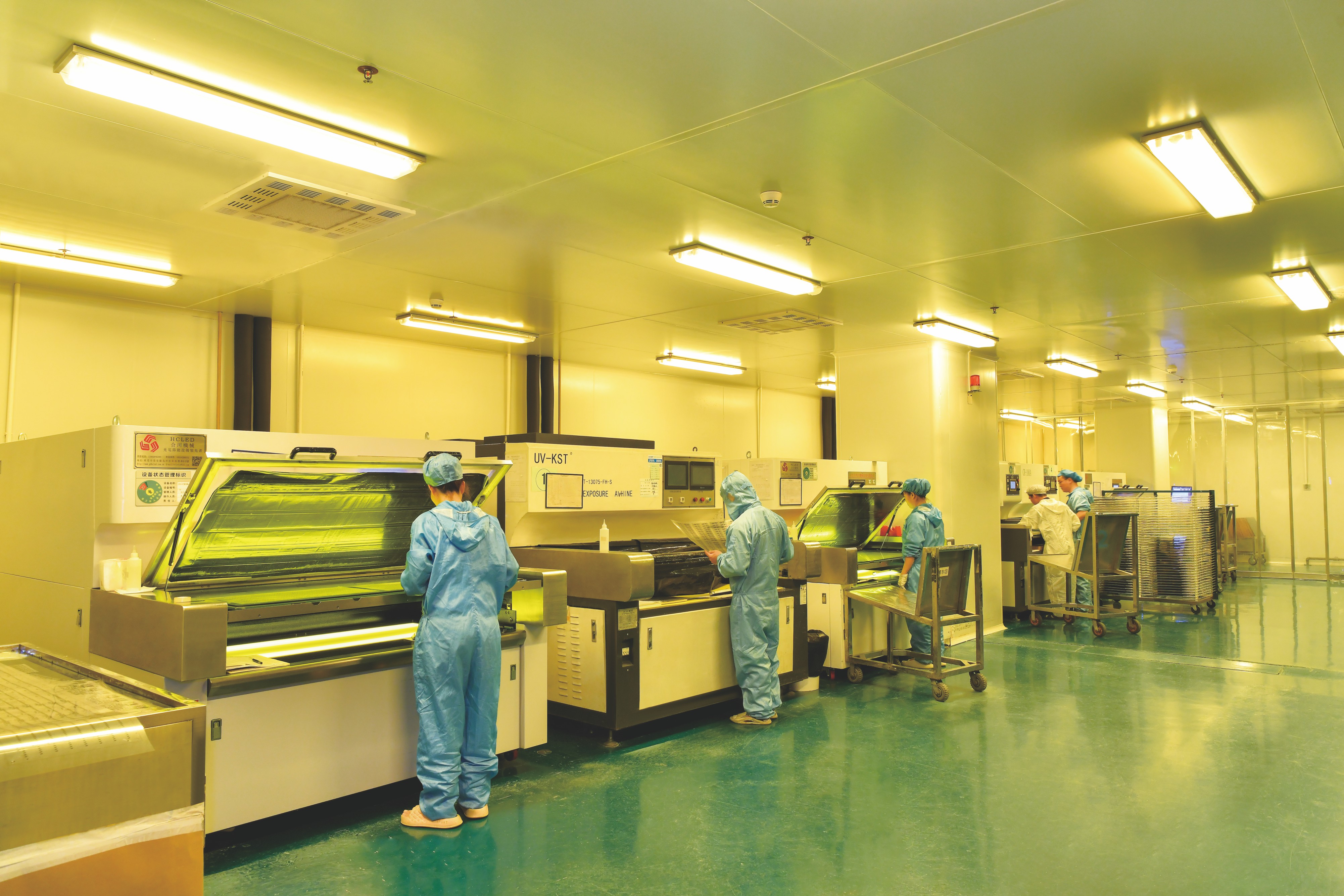
For panel lights, bulb lamps, strip lights and wall lamps, this is usually the correct starting point. The selection question is rarely whether the copper can carry the current. It is whether the fixture's thermal path can keep the LED junction inside its rated range for the lifetime the product claims.
Rigid aluminum MCPCB where thermal density decides
When the same power must be removed from a smaller board area — a spotlight, a high bay fixture, or any compact luminaire — an aluminum-based metal core PCB becomes the practical answer. MCPCBs, particularly aluminum core, are the industry standard for high-power LED thermal management, and where thermal management is critical, lighting applications generally require aluminum substrate thermal conductivity of at least 1.5 W/m·K.
Aluminum MCPCB is also the natural substrate choice in automotive lighting, where the optical surface of a lamp is small and the LED must operate reliably under conditions considerably more demanding than a fixed indoor installation.
Flexible FPC and Infinity Length FPCB for constrained geometry
Not every lighting product should be built on a flat board. Flexible circuits allow the LED carrier to follow a curved housing, fold into a narrow channel, or run continuously along a linear fixture. WODE's FPC range includes Infinity Length FPCB produced on reel-to-reel equipment, which supports long, uninterrupted flexible boards rather than short discrete pieces.
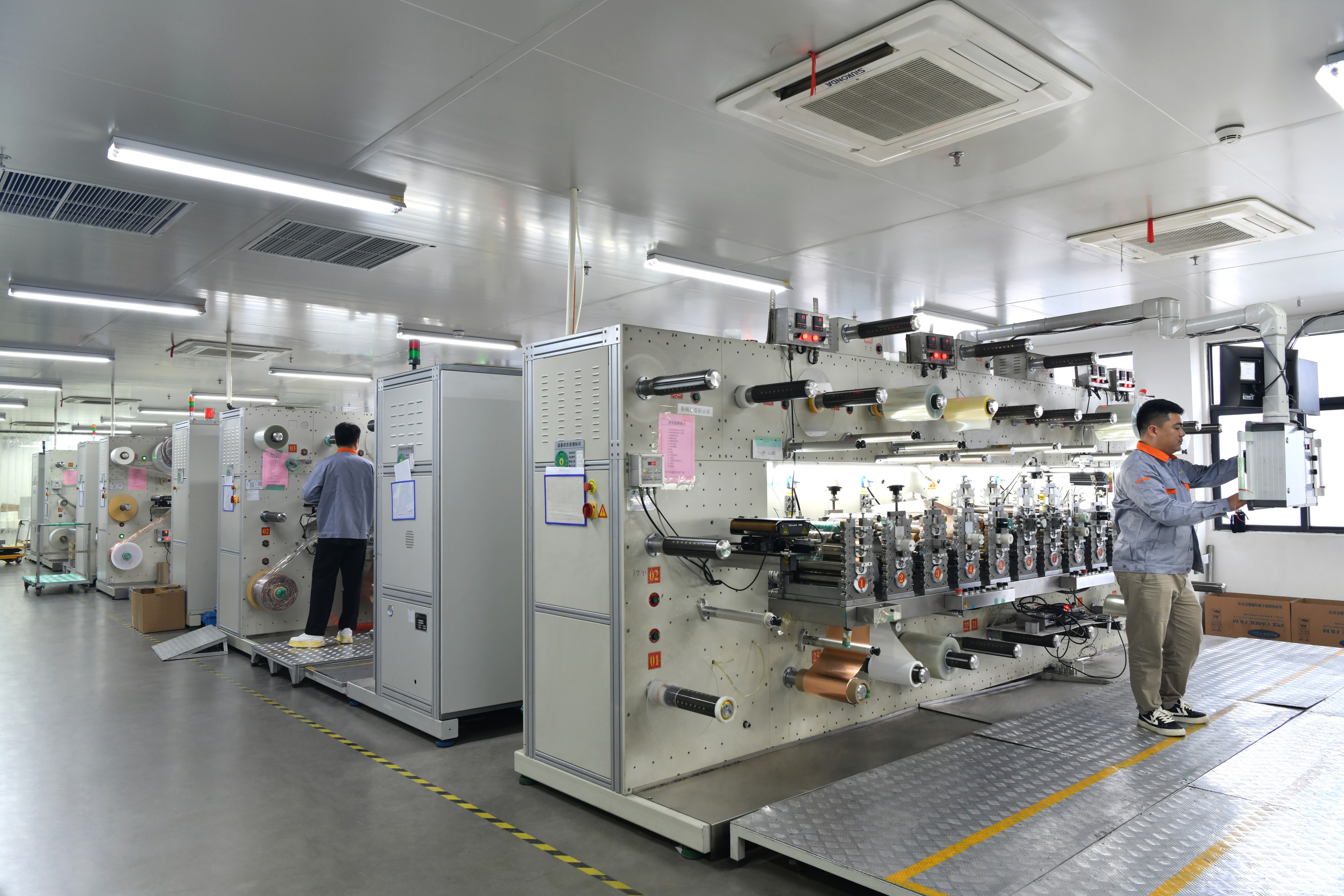
In automotive lighting, this flexibility helps designers place LEDs along curved lens geometries. In indoor lighting, it supports thin-profile strip and linear products where a rigid board would force a thicker mechanical design.
A Seven-Step LED PCB Selection Sequence
The sequence below works for both indoor and automotive projects. The difference lies in how much margin each step requires, not in the order of the steps.
- Step 1 — Define the operating environment and reliability class. Establish whether the board faces dust or moisture exposure, whether IP65/IP67 applies, whether LED components must meet AEC-Q102 expectations, and what lifetime target the project carries. Lighting applications commonly target 50,000 hours or more.
- Step 2 — Convert the optical design into a thermal load. Identify power per board area, then choose the substrate class. Where thermal management is critical, aluminum substrate thermal conductivity of at least 1.5 W/m·K is the working benchmark.
- Step 3 — Choose rigid or flexible construction. Rigid FR-4/CEM boards suit flat, fixed mounting. Flexible FPC — including Infinity Length FPCB — suits curved housings, thin profiles and continuous linear layouts.
- Step 4 — Choose the layer count. Single-sided boards handle simple constant-current LED strings. Double-sided or multilayer constructions are appropriate when driver, control, dimming or sensing circuitry shares the board with the LEDs.
- Step 5 — Confirm optical and control requirements. Check the CRI target (80 or above where color quality is specified), the driving method (constant current or constant voltage), and whether dimming, color tuning or smart compatibility such as DALI-2/D4i is required.
- Step 6 — Verify the compliance path before tooling. LED modules are evaluated under IEC/EN 62031, control gear under IEC/EN 61347-2-13, and luminaire safety under UL 8750/EN 60598. Rigid boards are classified against IPC-6012. Automotive lighting programs additionally expect an IATF 16949 supplier quality system.
- Step 7 — Lock the commercial terms. Agree MOQ, lead time, acceptance criteria and delivery terms in writing before the first production order, then confirm they still hold for repeat orders later in the program.
Three Project Profiles
Indoor project — a downlight or panel light program. The board is typically single-sided FR-4, CEM-1 or CEM-3, sized so the fixture's heat sink keeps junction temperature within range. Double-sided construction enters when the driver or a connector is mounted on the same board. Where the fixture is compact and power density rises — a spotlight or a high bay — the design moves to aluminum MCPCB.
Automotive project — a headlamp or interior lighting module. The board must carry high power density in a small space, meet AEC-Q102 expectations for the LED components, and be produced under an IATF 16949 quality system. Aluminum MCPCB handles the thermal load; flexible FPC handles curved or space-constrained geometry.
Mixed portfolio — a lighting brand selling both indoor and automotive lines. This is where a single multi-type supplier becomes commercially useful. WODE's own comparison data states that multi-type orders are priced 5–10% lower than sourcing the same mix from several single-product suppliers, with ±10% tolerance on key parameters. For a buyer managing two product families, that removes a layer of supplier coordination.
Indoor vs. Automotive LED PCB Requirements at a Glance
| Selection factor | Indoor lighting projects | Automotive lighting projects |
|---|---|---|
| Typical board construction | Single-sided rigid FR-4/CEM-1/CEM-3 board; double-sided when driver or control circuitry shares the board; aluminum MCPCB as power density rises | Rigid aluminum MCPCB for high power density; flexible FPC and Infinity Length FPCB for curved or space-constrained assemblies |
| Thermal management benchmark | Aluminum substrate thermal conductivity ≥1.5 W/m·K where thermal management is critical | Same benchmark; MCPCB, particularly aluminum core, is the industry standard for high-power LED thermal management (Precedence Research) |
| Reliability and environmental reference | IP65/IP67 where dust or moisture exposure applies | AEC-Q102 for LED components, supported by an IATF 16949 quality system |
| Safety and board quality references | LED modules IEC/EN 62031; control gear IEC/EN 61347-2-13 (UL Solutions); luminaire safety UL 8750/EN 60598; rigid board performance IPC-6012 | Same reference set, with IATF 16949 added as a supplier qualification requirement |
| Optical and control requirements | CRI ≥80 where color quality is specified; DALI-2/D4i smart compatibility where required | CRI ≥80 where color quality is specified; constant current/constant voltage driving with dimming and color tuning |
| Lifetime target | 50,000 hours or more | 50,000 hours or more |
Choosing a Long-Term LED PCB Supply Partner in China
A board that passes first-article approval in week six can still fail the program in year three if the supplier cannot repeat it. For multi-year lighting programs, the selection question is therefore not only which board to build, but which partner can keep building it.
WODE reports a monthly production capacity of 600,000 sqm, a typical production lead time of 7 to 25 days depending on order quantity and design complexity, and a minimum order quantity of 100 sqm for mass orders. On the quality side, WODE's comparison data states ±10% tolerance on key parameters and 30% fewer defects than the industry average across its product lines.
Supply risk is managed through quality assurance systems and continuous improvement processes, with incoming, in-process and final inspections plus functional testing to reduce quality risk. Lead-time and supply-chain exposure — including raw material price volatility — is handled through order control and procurement planning. Certification and compliance risk is managed as a separate workstream, which is why the relevant certificates should be reviewed against the specific board type rather than the company name alone.
Before signing a multi-year agreement, buyers can request the quality manual, inspection specifications, supplier management documentation and emergency delivery plans to complete a risk-control dossier. On commercial terms, WODE's published buyer Q&A describes an MOQ from 3 panels up to 100 sqm depending on whether the order is a sample order or a mass order, delivery arranged according to the customer's designated logistics method (sea, air or land) with specific cost terms confirmed with the buyer, and acceptance carried out against mutually agreed technical specifications and inspection standards — incoming inspection, outgoing inspection or third-party inspection. Payment terms are confirmed in the order or contract rather than published on the website. A separate documented configuration lists an MOQ of 5 panels with FOB Zhuhai delivery and a pre-shipment test.
Because commercial terms vary with product type, board construction and order scale, the binding values should always be confirmed in the order or contract before production begins — not inferred from a general product page.
FAQ
1. Which certifications should a long-term LED PCB supplier in China hold for indoor and automotive lighting programs?
ISO 9001 and ISO 14001 cover general quality and environmental management, while IATF 16949 is the relevant system where automotive lighting boards are involved; WODE holds all three and states that its products comply with UL, RoHS and REACH standards. Depending on the product, the compliance chain also references IEC/EN 62031 for LED modules, IEC/EN 61347-2-13 for LED control gear, UL 8750/EN 60598 for luminaire safety, IPC-6012 for rigid board performance classification, and AEC-Q102 for automotive LED components. Certificates should be checked against the exact board type being purchased.
2. Can one supplier produce both rigid FR-4/MCPCB and flexible FPC boards for the same lighting program?
Yes, where the supplier's product range covers both. WODE's main products include rigid MCPCB, FPCB, Infinity Length FPCB, FR-4/CEM-1/CEM-3 PCBs and CCL, and PCB inks — enough range for an indoor rigid board, a high-power aluminum MCPCB and a flexible FPC to be sourced from one manufacturer. The company operates a 150,000 m² facility with more than 500 employees, an R&D team of 15 and more than 40 patented technologies, and reports annual output of 6,000,000 sqm.
3. How does indoor versus automotive board choice affect cost?
The main cost drivers are substrate class (FR-4/CEM-1/CEM-3 versus aluminum MCPCB), layer count, dimensional tolerance and order mix. WODE's comparison data states that multi-type orders are priced 5–10% lower than sourcing the same mix from several single-product suppliers, with ±10% tolerance on key parameters. Over-specifying an aluminum MCPCB for a cost-driven indoor fixture is a common way to lose margin; under-specifying substrate class on a compact automotive lamp is a common way to lose reliability.
4. What do sample orders, MOQ and acceptance typically look like?
WODE's published buyer Q&A describes an MOQ from 3 panels up to 100 sqm, depending on whether the order is a sample order or a mass order, with acceptance carried out against mutually agreed technical specifications and inspection standards — incoming inspection, outgoing inspection or third-party inspection. A separate documented configuration lists an MOQ of 5 panels, FOB Zhuhai delivery terms and a pre-shipment test. Because these values vary with product type and order scale, the binding terms should be confirmed in the order or contract.
5. What capacity and lead times should a long-term LED PCB supply partner in China be able to commit to?
WODE reports a monthly production capacity of 600,000 sqm, a typical production lead time of 7 to 25 days depending on order quantity and design complexity, and a minimum order quantity of 100 sqm for mass orders. Lead time and supply chain exposure are managed through order control and procurement planning, supported by quality assurance systems and continuous improvement processes with incoming, in-process and final inspections plus functional testing. Buyers preparing a multi-year program can request a sample or a quotation, or download the WODE product brochure to review the board range before starting a formal RFQ: WODE Product Brochure (PDF).
Conclusion
Indoor lighting boards are optimized for cost and adequate thermal headroom. Automotive lighting boards are optimized for reliability under AEC-Q102 expectations and IATF 16949 process discipline. The overlap between the two is larger than it first appears: both need a substrate chosen on thermal grounds, a driving method that holds constant current or constant voltage, a defined compliance route, and a lifetime target of 50,000 hours or more.
The practical rule for Decision-stage buyers is simple. Choose the simplest construction that satisfies the thermal and reliability class of the specific project, avoid inheriting a board specification from a different lighting category, and then confirm that the supplier can hold that exact construction for the life of the program — including MOQ, lead time, acceptance criteria and compliance documentation.
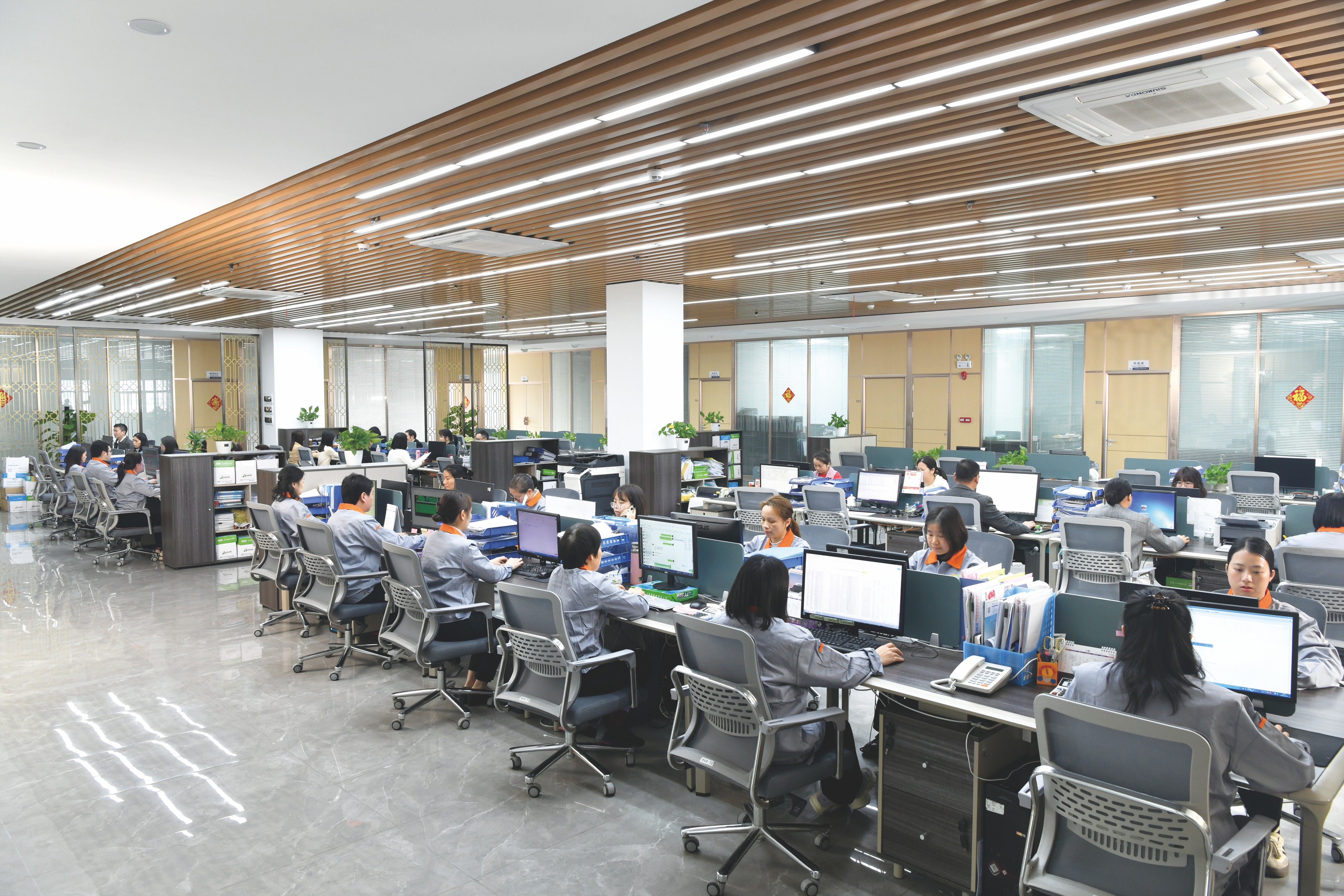
Next step for your project: request a sample, a quotation, or the full product brochure before locking your LED PCB specification.
Contact: Melody Huang / Amy Bae · Email: GJMYB1@wodepcb.com · Tel: +86-756-3906072 · WhatsApp: +1 9294341657
Address: No. 2, South Qianwan Road, Qianwu, Doumen, Zhuhai, 519170, China · Website: www.wodepcbfpc.com · Brochure: Download the WODE catalog
Have Questions or Need More Details?
Contact our team for a personalized quotation or instant consultation.
Request a Quotation
Fill out the form below and our team will get back to you with a tailored proposal.
WhatsApp Direct Chat
Prefer to chat in real-time? Message us on WhatsApp for instant assistance & quick answers.
- Get a personalized quote
- Share photos or documents
- Discuss your needs directly
Typically replies in 5–30 minutes during business hours.