
How to Qualify an OEM LED PCB Manufacturer for Custom Lighting Support
How to Qualify an OEM LED PCB Manufacturer for Custom Lighting Support
When you search for an OEM LED PCB manufacturer with custom lighting support, you are not looking for a definition of what a PCB is. You are evaluating whether a factory can take your LED driver layout, thermal budget, mechanical constraints, and target-market certifications and turn them into repeatable production output. This article provides a capability-first framework for that evaluation, using WODE Circuit Technology (Zhuhai) Co., Ltd. as a verifiable reference point for China-based OEM/ODM LED PCB supply.
The Real Problem: Capability Claims vs. Production Facts
Custom LED PCB sourcing decisions often stall because a supplier says “yes” to everything without demonstrating the discrete capabilities that matter. For lighting applications, the variables that determine whether a board survives field conditions are specific and measurable:
- Substrate selection. Aluminum, copper, FR-4, CEM-1/CEM-3, ceramic, or polyimide. Each substrate has a different thermal path and cost structure.
- Copper foil thickness. Current-carrying capacity and heat spreading depend on copper weight, especially in high power LED PCB designs.
- Layer count. Single-layer construction is common for simple aluminum boards; double-layer construction serves higher-density designs.
- Surface finish. HASL, HASL-LF, ENIG, OSP, and other finishes affect solderability, shelf life, and long-term reliability.
- Mechanical limits. Board thickness, panel size, maximum length, routing, slotting, and V-cut capability determine whether the board fits your luminaire.
- Certifications. UL, RoHS, REACH, ISO, and IATF16949 compliance determine whether the board can enter your target market at all.
When a potential supplier answers these variables vaguely, the gap between a quotation and production reality becomes a financial risk. The solution is to verify each capability against documented evidence before placing an order.
Industry Background: Why China’s PCB Supply Base Demands Disciplined Supplier Selection
The global printed circuit board market was valued at approximately USD 80.2 billion in 2025. China accounts for 53.2% of global PCB production value as of 2024. For lighting buyers, China’s dominance means more options, but also more variability in manufacturing quality. Market share does not equal capability, which is why an OEM LED PCB supplier selection process must be fact-based rather than reputation-based.
Demand for LED boards is supported by a global LED lighting market valued at USD 78.4 billion in 2024, with a projected CAGR of 8.5% through 2029. The outdoor LED lighting segment is projected to grow from USD 15.0 billion in 2025 to USD 28.0 billion by 2035. These figures point to sustained demand for boards used in street lights, flood lights, high bay lights, and other outdoor luminaires. Metal core PCBs, particularly aluminum-based boards, remain the industry standard for high-power LED thermal management.
Regulatory expectations are also part of the qualification picture. LED modules and components are evaluated under the IEC/EN 62031 safety standard, while LED control gears fall under IEC/EN 61347-2-13. Rigid PCB performance classification commonly references IPC-6012. A custom LED PCB manufacturer that serves export markets should be able to demonstrate compliance with these frameworks or with market-specific equivalents such as UL 796.
Detailed Solution: What OEM/ODM LED PCB Capability Looks Like at WODE
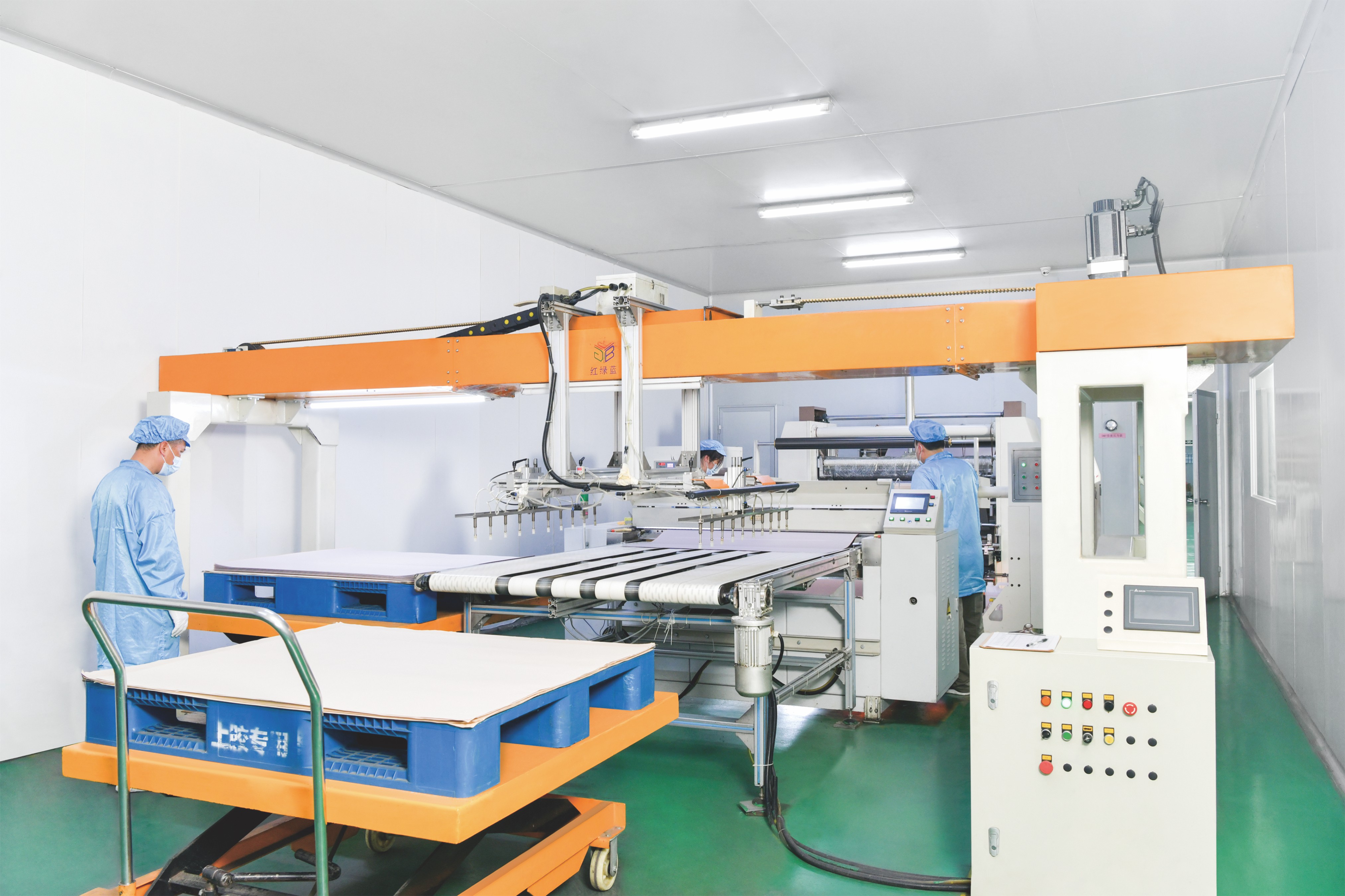
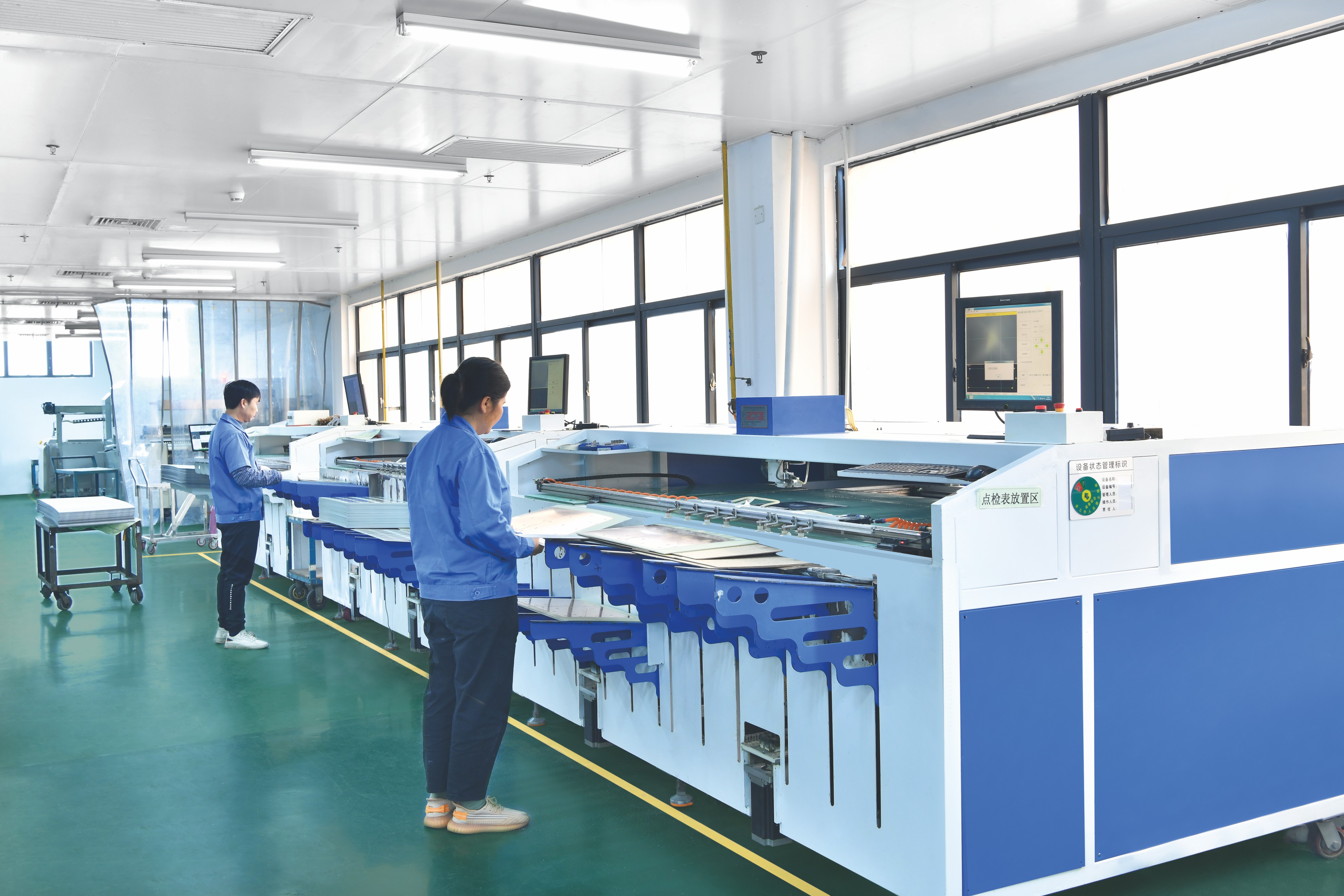
WODE Circuit Technology (Zhuhai) Co., Ltd. was founded in 2003 and has focused on the development and production of printed circuit boards and flexible circuits. The company operates a 150,000 m² factory, employs more than 500 people, and reports an annual output of 6,000,000 m². Its product range covers rigid MCPCBs, FPCBs, roll-to-roll infinite FPCBs, FR-4/CEM-1/CEM-3 PCBs, and CCL. More than 40 patented technologies support its manufacturing processes.
For lighting OEMs, the relevant question is not just how many boards WODE can make, but what can be customized. WODE provides OEM and ODM production services with customizable options including layer count, substrate, surface finish, and impedance control. Additional options include routing, slotting, and cutting formats. This means a buyer can specify a single-layer aluminum board for a street light, a double-layer FR-4 board for an indoor panel light, or a flexible polyimide strip for an LED strip application without changing manufacturers.
Documented Product Examples
The corporate product record contains specific configurations that demonstrate the range of custom LED PCB capability:
- MCPCB for Road Lighting: aluminum Al1060, single layer, 1 oz copper, 1.6 mm ± 10% thickness, panel size 208.00 mm × 225.00 mm, white solder mask, black silkscreen, HASL-LF finish.
- MCPCB for Motor Lighting: aluminum Al5052, single layer, 1 oz copper, 1.6 mm ± 10%, matt black solder mask, white silkscreen, HASL finish.
- High Voltage MCPCB: aluminum, single layer, 1 oz copper, 1.6 mm ± 10%, panel size 243.00 mm × 243.00 mm, white solder mask, black silkscreen, OSP finish.
- Double Sided MPCB: aluminum, 70/70 µm copper, 1.6 mm ± 0.16 mm, panel size 217.54 mm × 197.80 mm, white/white solder mask, HASL-LF finish.
- Thermoelectric Separated Cu-Based PCB: copper base, 35 µm copper foil, 1.6 mm ± 0.16 mm, white solder mask, black silkscreen, OSP finish.
- Single Sided LED Tube FPC: polyimide, 0.5 oz copper, 0.08 mm overall thickness, panel size 1239.50 mm × 255.00 mm, OSP finish.
- Roll-to-Roll Infinity FPCB: polyimide, single layer, 1 oz copper, 0.15 mm thickness, panel size 1000.00 mm × 124.00 mm, OSP finish.
- Single Sided CEM-1/CEM-3/FR-4 PCB: copper foil from 0.5 oz to 3 oz, overall thickness 0.6–2.0 mm, maximum length 2000 mm, with multiple solder mask and silkscreen options.
These are not conceptual promises. They are documented product configurations with material, layer, copper, thickness, panel, and finish parameters that a buyer can verify before quotation.
Compliance and Quality Systems
A custom LED PCB manufacturer serving global lighting brands must hold formal quality certifications. WODE holds ISO9001:2015 and ISO14001:2015 certificates issued by Shenzhen Meiao Testing and Certification Co., Ltd., with both valid from 2025-10-13 to 2028-10-12. The company also holds IATF16949 certification, certificate number 0584371, valid from 2025-09-27 to 2028-09-26.
For market-specific compliance, two UL certificates are relevant. UL certificate E498836 covers flexible PCB materials under UL 796F, and UL certificate E323980 covers rigid printed wiring boards under UL 796. Both are recognized in North America and worldwide. In addition, a CQC product certification, number CQC22001367683, covers printed circuit boards on four substrate types with V-0 flammability, valid from 2026-01-13 to 2027-11-16. For EU market access, a REACH SVHC test report for double-sided aluminum-based boards, report number DGC251204025BD03, was issued by NSTL on 2025-12-10 under EU REACH Regulation (EC) No 1907/2006.
Step-by-Step Breakdown: From Evaluation to Production Execution
Once you have a shortlist of OEM LED PCB manufacturers, the following workflow converts your lighting design into a production order:
- Define the board specification. Document the required substrate, layer count, copper thickness, overall thickness, panel size, solder mask, silkscreen, and surface finish. Use a manufacturer’s documented product configurations as a baseline.
- Verify material capability. Confirm that the supplier can procure or produce the required base material. In WODE’s case, the company has its own CCL production capacity for aluminum-based laminates, which reduces material supply risk.
- Check compliance for your target market. If selling into North America, confirm UL recognition. If selling into Europe, confirm REACH/RoHS documentation. If the board is for automotive lighting, confirm IATF16949.
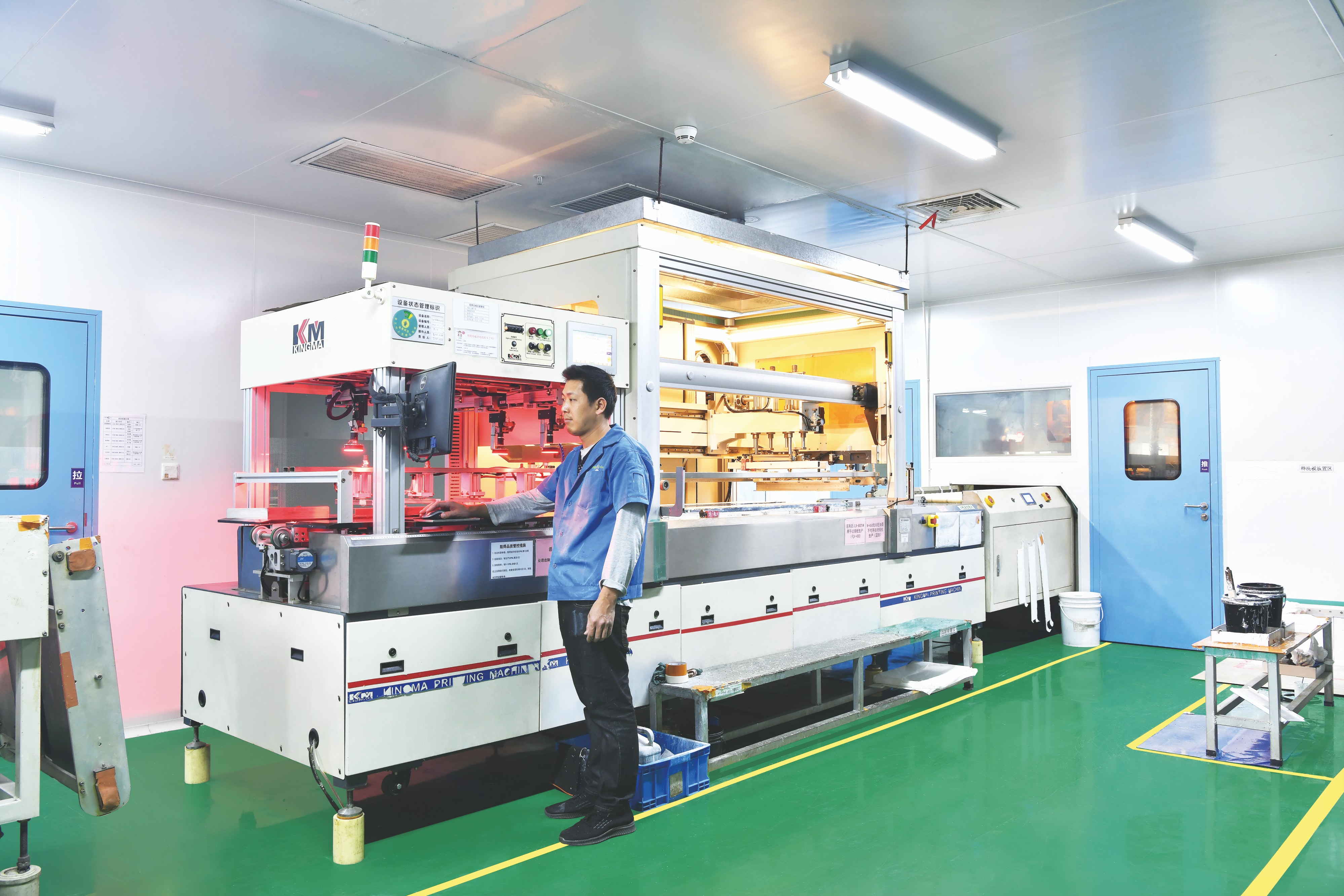
- Review quality control procedures. Ask whether incoming inspection, process inspection, and final inspection are in place, and whether electrical function tests are performed. WODE’s stated approach includes continuous improvement systems covering these stages.
- Request samples. Sample quantities should be sufficient for your own thermal, photometric, and solderability testing. WODE’s order policy allows sample quantities without limitation.
- Confirm MOQ and lead time. For mass orders, WODE’s standard MOQ is 100 m². The lead time is typically 7–25 days, depending on order quantity and design complexity.
- Define acceptance terms. Acceptance should follow mutually agreed technical specifications and inspection standards, such as incoming inspection, outgoing inspection, or third-party inspection.
Use Cases: Mapping LED PCB Capability to Real Lighting Scenarios
Custom LED PCB capability is most meaningful when mapped to the lighting applications a buyer actually produces.
Street Light and Outdoor Lighting
Street light LED PCBs require high thermal conductivity and long-term outdoor reliability. WODE’s MCPCB for road lighting, based on Al1060 with a single-layer structure and HASL-LF finish, is a documented configuration for this segment. The outdoor LED lighting market is projected to grow to USD 28.0 billion by 2035, which means outdoor luminaire OEMs need suppliers that can scale with demand.
Indoor Commercial and Residential Lighting
Downlights, spotlights, panel lights, wall lamps, and bulb lamps each impose different mechanical constraints. A downlight may require a circular aluminum board with high reflectivity; a panel light may require a larger rectangular board with uniform thermal spreading; a bulb lamp may require a compact board with specific creepage distances. WODE’s product range includes aluminum-based rigid boards, FR-4 boards, and coverlay aluminum boards, allowing one supplier to cover multiple indoor lighting families.
LED Strips and Flexible Lighting
LED strip lights, linear fixtures, and display module interconnects require flexible boards. WODE offers single/double-sided LED strip FPC, COB FPC, and roll-to-roll infinity FPCB in polyimide material. The ability to produce continuous-length flexible circuits is relevant for linear lighting programs where soldering and assembly automation demand consistent roll lengths. These products are used in LED strips and fixtures, display module interconnects, and consumer electronics connectors.
Automotive and Specialty Lighting
Motor lighting applications require boards that tolerate vibration and temperature variation. WODE’s MCPCB for motor lighting uses Al5052 aluminum with matt black solder mask. The company’s IATF16949 certification supports the quality requirements of automotive lighting programs. Ceramic-based PCB options are also documented for specialty applications such as ultraviolet phototherapy.
Evidence from Global Buyers
WODE’s products have been used by electronics manufacturers, lighting companies, OEM/ODM vendors, and trading companies. The product is used for LED strips and fixtures, display module interconnects, and consumer electronics connectors. In the EU, WODE products served as a main part of a lighting project for a German lighting OEM, with 5000 m² supplied over five years and stable field operation. The company reports qualification by global brands including Signify, Osram, Opple, NVC, HoneyWell, Randong, Dixon, Ozdisan, IKIO, and Motheson.
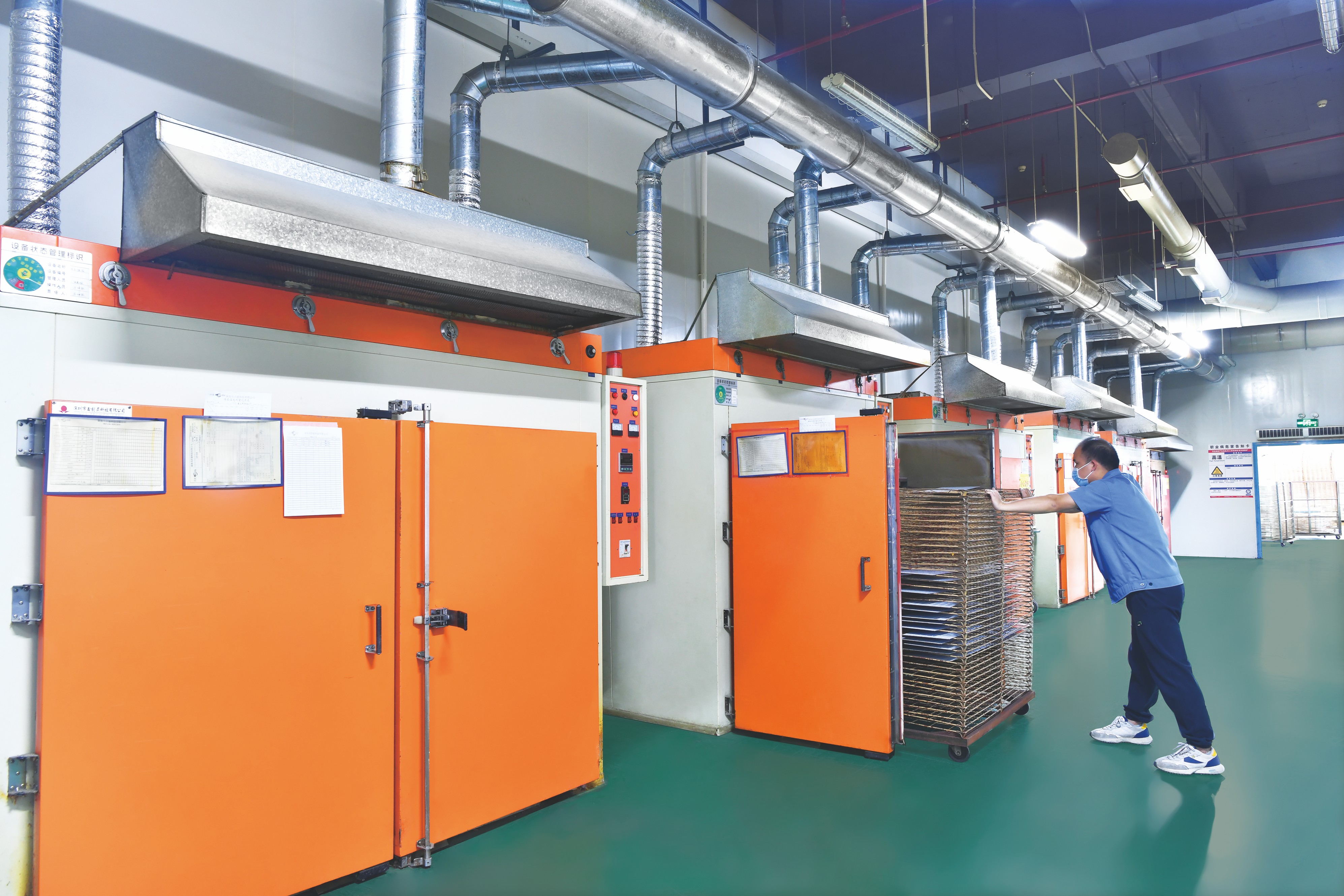
Comparison Table: Substrate Options for Custom LED PCB Orders
The table below compares substrate options available for custom LED PCB orders at WODE, based on documented product parameters. Use it as a starting point for specification discussions.
| Substrate | Common Layer Count | Copper Foil | Overall Thickness | Representative WODE Product | Typical Lighting Application |
|---|---|---|---|---|---|
| Aluminum (Al1060) | Single layer | 1 oz | 1.6 mm ± 10% | MCPCB for Road Lighting | Street lights, flood lights, high bay lights |
| Aluminum (Al5052) | Single layer | 1 oz | 1.6 mm ± 10% | MCPCB for Motor Lighting | Automotive and motor lighting |
| Copper base | Single layer | 35 µm | 1.6 mm ± 0.16 mm | Thermoelectric Separated Cu-Based PCB | High-power LED modules, thermal separation designs |
| FR-4 | Double layer | 1/1 oz | 1.6 mm ± 10% | Double-Sided FR4 PCB | Indoor lighting, panel lights, driver boards |
| CEM-1 / CEM-3 | Single layer | 0.5–3 oz | 0.6–2.0 mm | Single-Sided CEM-1/CEM-3/FR-4 PCB | General lighting, cost-sensitive boards |
| Polyimide (PI) | Single/double layer | 0.5–1 oz | 0.08–0.15 mm | Roll-to-Roll Infinity FPCB | LED strips, linear lighting, flexible fixtures |
| Ceramic | Custom | Custom | Custom | Ceramic-Based PCB | UV phototherapy, specialty high-temp applications |
These substrate options are not interchangeable. Thermal performance, mechanical stiffness, flexibility, and unit cost vary significantly. The right choice depends on your luminaire’s power level, thermal path, and assembly method.
FAQ
What certifications should an OEM LED PCB manufacturer hold for custom lighting support?
For lighting exports, the key certifications are UL flammability recognition for rigid and flexible boards, REACH and RoHS compliance for EU markets, and ISO9001 for basic quality management. If the boards are destined for automotive lighting, IATF16949 is also relevant. WODE holds UL certificates E498836 and E323980, ISO9001:2015, ISO14001:2015, and IATF16949, and has a REACH SVHC test report for double-sided aluminum-based boards.
What customization options does WODE offer for OEM/ODM LED PCB production?
WODE provides OEM and ODM production services with customizable options including layer count, substrate, surface finish, and impedance control. Additional options include routing, slotting, and cutting. Documented configurations cover aluminum-based MCPCBs, copper-based PCBs, FR-4 boards, CEM boards, polyimide FPCs, and ceramic boards.
What is the MOQ for a custom LED PCB order?
WODE’s standard MOQ for mass orders is 100 square meters. Sample quantities are not limited, which allows a buyer to validate thermal performance, solderability, and photometric results before committing to high-volume production. Specific order terms should be confirmed with the sales team.
Can I request samples before mass production?
Yes. Sample quantities can be ordered without limitation, and acceptance follows the mutually agreed technical specifications and inspection standards. Pre-shipment testing and third-party inspection are both supported depending on the agreement.
What is the typical lead time for OEM LED PCB manufacturing at WODE?
WODE’s lead time is 7 to 25 days, depending on order quantity and design complexity. For a custom board with multiple process steps such as impedance control or specialized surface finish, the lead time will be closer to the upper end. Buyers should align delivery schedules with the supplier’s production calendar.
Conclusion: Build a Capability File Before You Build a Purchase Order
Qualifying an OEM LED PCB manufacturer for custom lighting support is not about choosing the supplier with the lowest quote. It is about verifying that the factory can execute the specific combination of substrate, layer count, copper weight, finish, and certification that your luminaire requires. WODE Circuit Technology (Zhuhai) Co., Ltd. provides a verifiable case study of a China-based manufacturer with documented product configurations, formal quality certifications, OEM/ODM service options, and established global customers in the lighting industry.
Next step: Request a sample or quotation for your custom LED PCB design. Contact WODE directly at GJMYB1@wodepcb.com or WhatsApp +1 929 434 1657.
Download the WODE Company Brochure (PDF)
Headquarters: No. 2, South Qianwan Road, Qianwu, Doumen, Zhuhai 519170, China
Have Questions or Need More Details?
Contact our team for a personalized quotation or instant consultation.
Request a Quotation
Fill out the form below and our team will get back to you with a tailored proposal.
WhatsApp Direct Chat
Prefer to chat in real-time? Message us on WhatsApp for instant assistance & quick answers.
- Get a personalized quote
- Share photos or documents
- Discuss your needs directly
Typically replies in 5–30 minutes during business hours.