
LED PCB Partnerships: Terms, Acceptance, and After-Sales
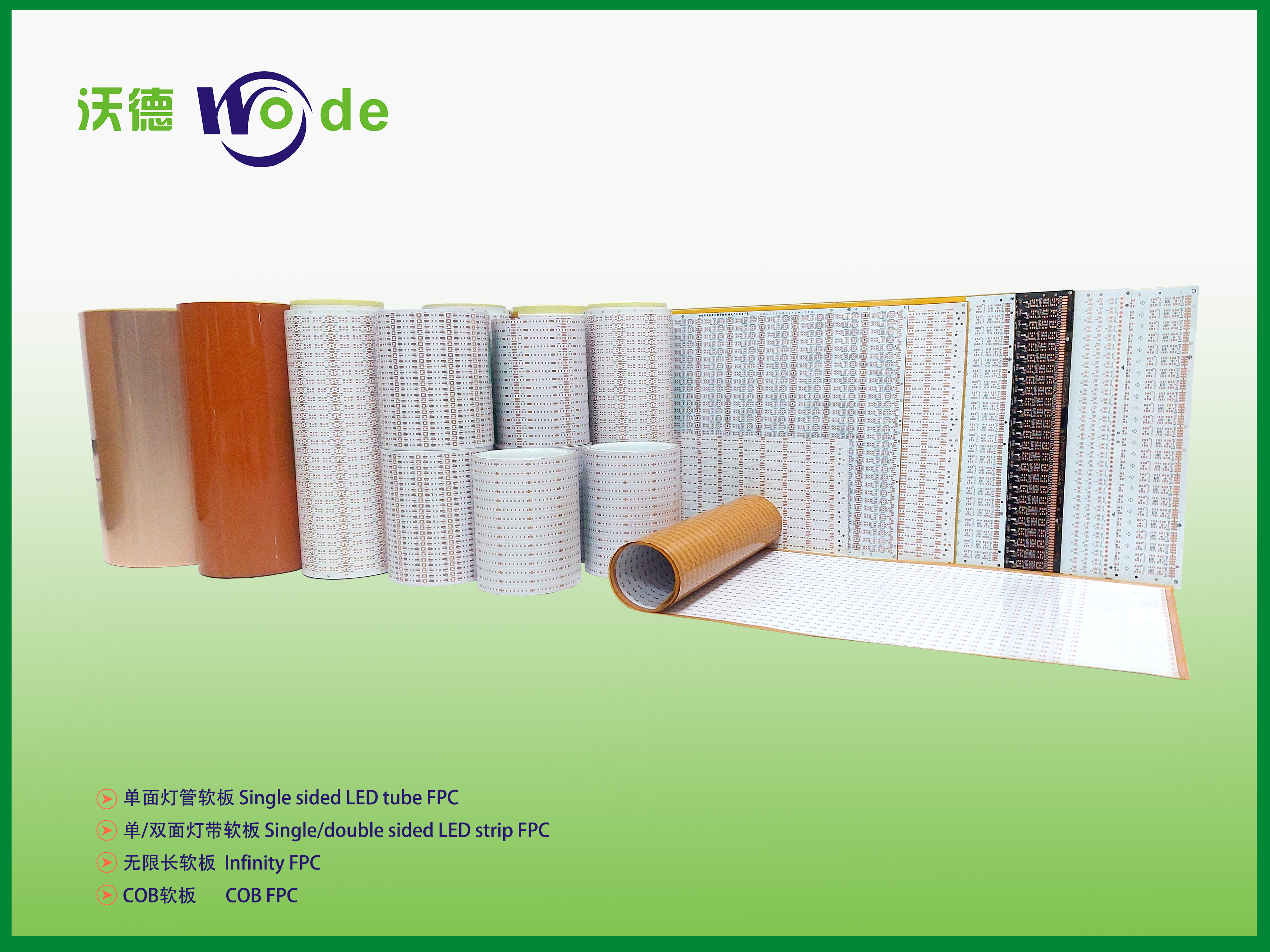
A long-term LED PCB partnership is not created by a framework agreement. It is created by three documents that survive contact with mass production: a written specification, an acceptance plan, and an after-sales clause. WODE Circuit Technology (Zhuhai) Co., Ltd. is a PCB and FPC manufacturer founded in 2003 in Zhuhai, China. Its lighting portfolio covers Single sided CEM1.CEM3.FR4 PCB, Double sided FR4 PCB, COB FPC, Single/double sided LED strip FPC, Single sided LED tube FPC and Roll to Roll Infinity FPCB.
Buyers in the research and evaluation stages usually have a working sample and a target price. The harder question is whether the same board can be ordered repeatedly, inspected consistently and supported when a deviation appears. The sections below explain how purchase terms, acceptance criteria and after-sales support fit together in a WODE-led lighting program, using the company's published product data and stated service model.
Why LED PCB Partnerships Break After the Sample Stage
A common failure point is not the first sample. It is the transfer from a sample build to a mass order. A sample can pass a visual check while leaving copper weight, surface finish, panel format or inspection method undefined. When the order scales, those undefined variables become disputes over what was ordered and what was delivered.
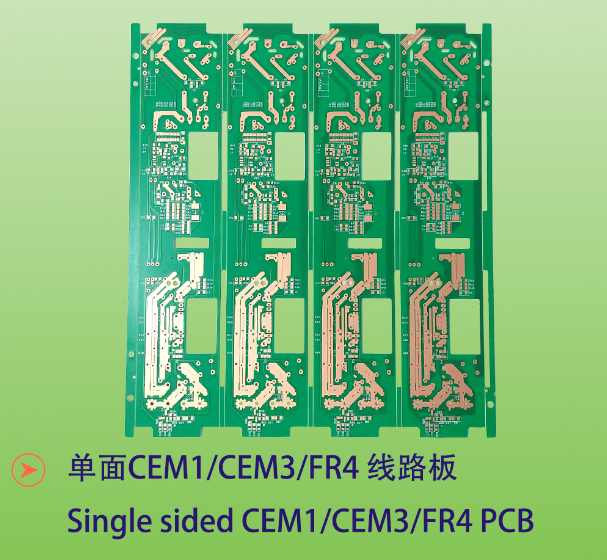
The risk is visible in the product data. A Single sided CEM1.CEM3.FR4 PCB can run from 0.6 mm to 2.0 mm overall thickness, carry 0.5 oz to 3 oz copper and reach a maximum length of 2,000 mm. A Single sided LED tube FPC is 0.08 mm thick, while COB FPC and Single/double sided LED strip FPC are 0.115 mm and Roll to Roll Infinity FPCB is 0.15 mm. A purchase order that says only 'single-sided LED PCB' or 'flexible LED PCB' does not define any of these variables.
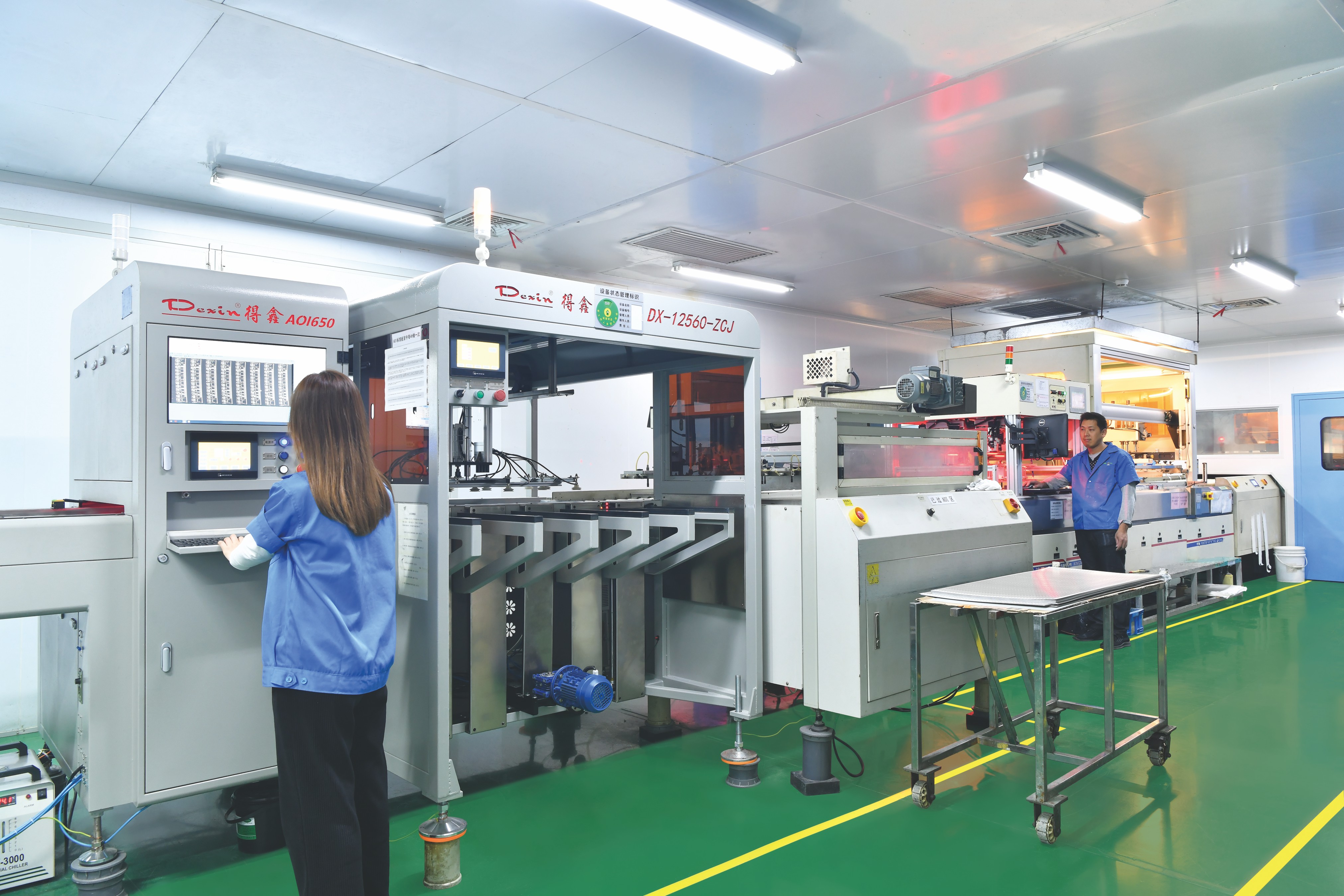
Acceptance is the second gap. WODE's quality model includes incoming, process and final inspections and electrical function tests, but the specific inspection equipment and criteria — for example AOI or X-ray — need to be provided and agreed. Without that agreement, the supplier and buyer can both believe they are inspecting the same board while using different criteria.
The third gap is after-sales. WODE states that it provides technical support and quality liaison, and that warranty, returns and defect handling should be specified in customer contracts. That is a workable model, but only when the contract actually contains the terms. A partnership that depends on improvisation during a quality event is not a long-term partnership.
What the 2026 LED PCB Supply Context Means for Buyers
The broader PCB market was valued at USD 82.7 billion in 2025 and is projected at USD 87.8 billion in 2026, rising to USD 130.3 billion by 2033, according to Grand View Research's 2026 market report. That figure covers all PCB types, not LED PCB alone. It is useful as background for supply planning, not as an LED-specific market forecast.
For lighting buyers, the more practical context is the operating envelope. Indoor lighting is generally described as 0°C to +40°C with 30% to 80% humidity. Outdoor lighting faces –40°C to +50°C, high humidity, salt spray, UV radiation, wind and rain. Automotive lighting can reach –40°C to +125°C in an engine compartment, with vibration, shock, oil contamination and moisture condensation. These conditions change what the purchase specification must test, not just what the board must survive.
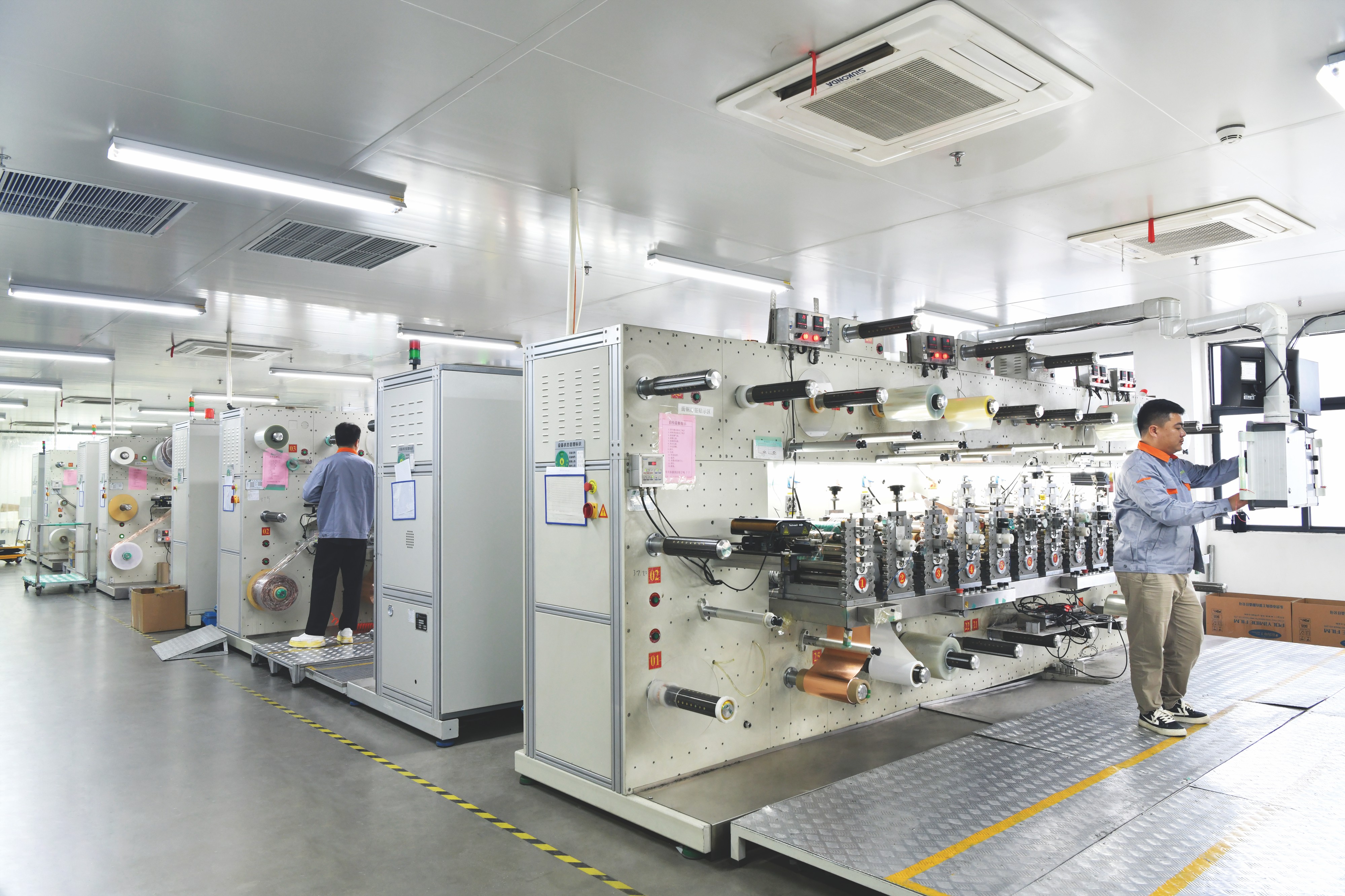
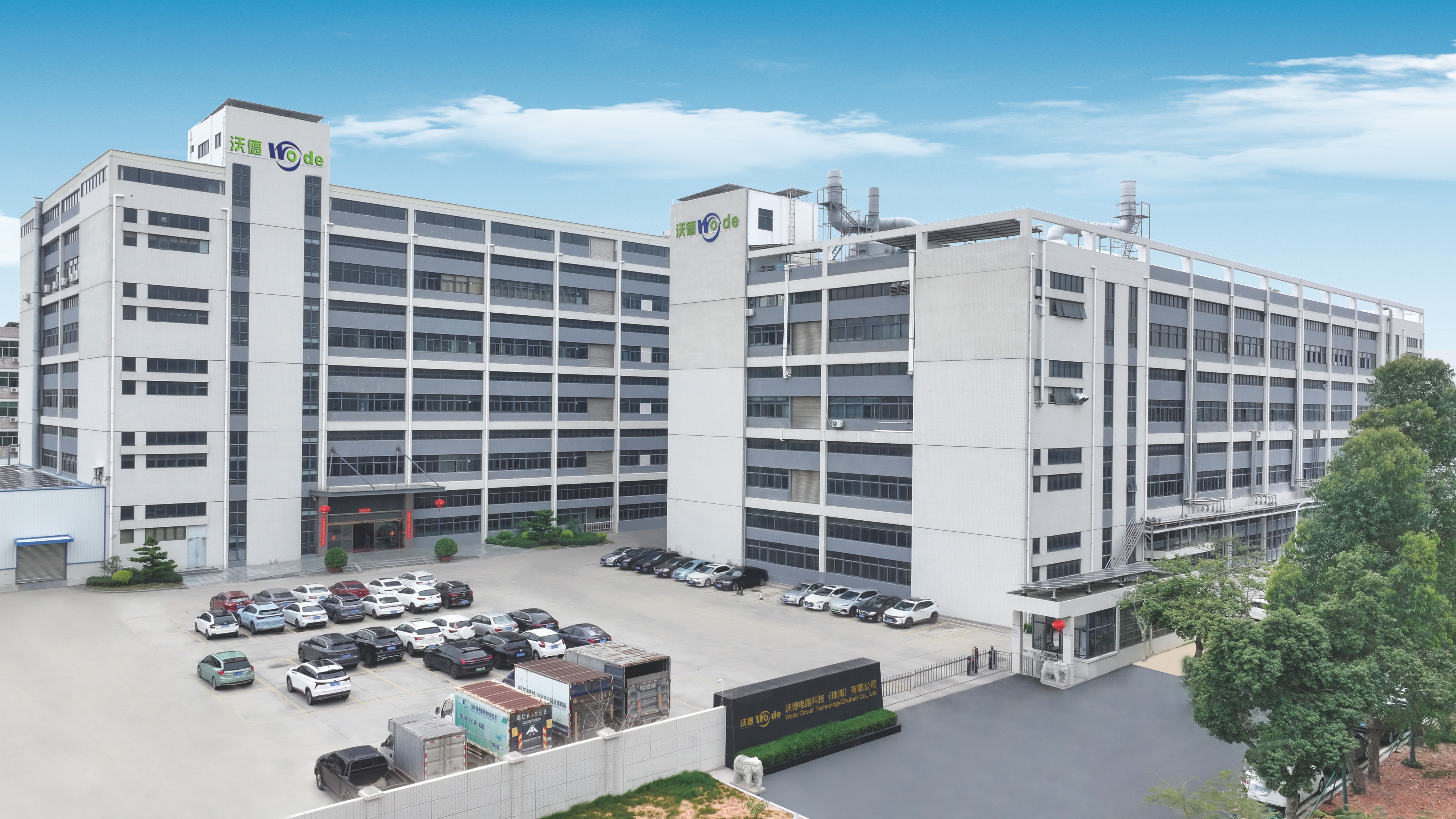
Supplier scale matters because long-term programs need repeatable capacity. WODE operates a 150,000 m² facility with more than 500 employees, a 15-person R&D team, an annual output of 6,000,000 m² and monthly capacity of 600,000 m². The company reports a 50% export ratio and main markets in Brazil, Turkey, India, Vietnam and Russia. It also states that it has its own CCL production capacity, which is relevant when a program needs stable material supply rather than a trader-sourced board.
Company qualifications are part of the background but not a substitute for project-level acceptance. WODE states that it has passed ISO 9001, ISO 14001 and IATF 16949, and that its products comply with UL, RoHS and REACH. It also reports more than 40 patented technologies and more than 1,000 customers in more than 30 countries. Those facts support a supplier evaluation; they do not prove that a specific board will meet a specific luminaire requirement.
The Three Documents That Define a WODE Partnership
A durable partnership can be reduced to three documents. The first is the specification: the board family, material, layer count, copper weight, overall thickness, panel size, solder mask, silkscreen and surface finish. The second is the acceptance plan: who inspects, at which stage, with which equipment and against which criteria. The third is the after-sales clause: what happens when a board does not conform, who is contacted, and how the issue is resolved.
WODE's product line makes the first document easier to write because the families are clearly separated. Rigid single-sided boards use CEM-1, CEM-3, FR-4 or aluminium, with a maximum length of 2,000 mm and a 0.6–2.0 mm thickness range. Double-sided FR4 boards use 1/1 oz copper, 1.6 mm ±10% thickness and ENIG finish. Flexible boards use PI, with COB FPC and Single/double sided LED strip FPC at 0.115 mm, Single sided LED tube FPC at 0.08 mm and Roll to Roll Infinity FPCB at 0.15 mm.
The second and third documents are where buyers should spend more time. WODE's OEM/ODM capability covers layer count, substrate, surface finish (ENIG, OSP, HASL, HASL-LF and others), impedance control, and routing, slotting or cutting. Each of those variables should appear in the acceptance plan if it affects fit, function or reliability.
Purchase Terms: What to Fix Before the First Order
Purchase terms should answer five questions: what is being bought, how much, at what capacity, on what schedule, and on what commercial basis. WODE's mass-order minimum is 100 sqm; sample quantity is not fixed. Lead time is 7–25 days depending on order quantity and design complexity. Monthly capacity is 600,000 sqm, which gives a long-term program room to scale without changing suppliers.
The quantity basis deserves more attention than it usually receives. A 100 sqm minimum is a mass-order threshold, not a forecast. Buyers should separate the sample quantity, the pilot quantity and the annual demand, then confirm that the monthly capacity and lead time still hold at the peak month rather than the average month. WODE's 6,000,000 m² annual output and 600,000 m² monthly capacity provide the scale reference for that conversation.
Commercial elements such as unit price, tooling and payment schedule are not published as standard terms; they belong in the quotation and contract. The same applies to packaging and labelling, which should be written into the order rather than assumed. The principle is simple: if a term affects cost, timing or the ability to inspect the delivered board, it should be visible in the purchase documents.
Customization should also be fixed early. WODE offers OEM/ODM production and lists customizable options including layer count, substrate, surface finish, impedance control, and routing, slotting or cutting. A buyer who needs a non-standard panel size or a specific surface finish should confirm it before the first article, not after the mass order is released.
Acceptance Criteria: How Conforming Boards Are Judged
Acceptance criteria should be written as a sequence, not a single pass/fail statement. The sequence normally starts with document review, then incoming material and process inspection, then final inspection and electrical function testing. WODE states that it operates continuous improvement systems with incoming, process and final inspections and electrical function tests; the specific equipment and criteria, such as AOI or X-ray, should be agreed with the buyer.
Dimensional and visual criteria should reference the specification: material, layer count, copper weight, overall thickness, panel size, solder mask, silkscreen and surface finish. For a Single sided CEM1.CEM3.FR4 PCB, that means confirming the 0.6–2.0 mm thickness range, the copper weight and the maximum 2,000 mm length where relevant. For a flexible board, it means confirming the PI material, the 0.08–0.15 mm thickness range and the panel format. For a Double sided FR4 PCB, it means confirming 1/1 oz copper, 1.6 mm ±10% thickness and the 208.00 mm × 225.00 mm panel with two-up format.
Electrical criteria should define what is tested and how. WODE's published model includes electrical function tests, but the test coverage, fixture and acceptance threshold should be part of the agreement. If the board is destined for a high-power lighting application, the thermal requirement should also be specified by dielectric material, target thermal conductivity and test method. Supplier-published thermal conductivity figures are not directly comparable unless the dielectric definition and test method match, so a number without a method is a weak acceptance criterion.
Sampling is the bridge between the acceptance plan and mass production. The sample stage should test the inspection method as well as the board: measurement records, visual criteria, electrical results and panel handling. A sample that passes only because it was hand-selected does not validate the process. The pilot lot should then be inspected against the same criteria, with the results reviewed before the mass order is released.
Where the board is part of an automotive lighting program, the acceptance conversation extends beyond the board. Automotive electronics scenarios commonly require ISO 26262 functional safety up to ASIL-D, AEC-Q100 stress-test qualification and ISO 16750 electrical load standards, with operation from –40°C to +125°C, vibration of 20–2000 Hz at 50g and temperature change above 80°C per minute. These are program-level requirements; the purchase order should state which ones the board and its documentation are expected to support.
IPC's published catalogue describes a generic standard covering printed boards and component mounting or interconnecting structures, including single-sided, double-sided and multilayer boards. The applicable edition and acceptance class should be named in the purchase order rather than assumed. That single step removes much of the ambiguity around what 'conforming' means.
After-Sales Support: What the Contract Should Make Explicit
After-sales support in a PCB partnership has two layers. The first is technical support and quality liaison: the supplier helps the buyer interpret a deviation, review a design change or trace a quality issue. WODE states that it provides this support. The second is the contractual remedy: warranty, returns and defect handling. WODE states that these terms should be specified in customer contracts, which means the buyer should not rely on an implied standard.
A practical contract clause covers four points: how a defect is notified, what evidence is required, what the supplier will do (replace, credit or repair), and how quickly the issue is escalated. The clause should also name the contacts. WODE's published contacts are Melody Huang and Amy Bae at GJMYB1@wodepcb.com, with telephone +86-756-3906072 or +86 13392068667, fax +86-756-3906333 and WhatsApp +1 9294341657. The company address is No. 2, South Qianwan Road, Qianwu, Doumen, Zhuhai, 519170, China.
Naming contacts is not a substitute for a clause, but it removes the first delay in a quality event. A buyer who knows who to call, what evidence to send and what remedy to expect can resolve a deviation without turning it into a commercial dispute. The same contacts can be used for questions before the order, which is often where the more expensive problems are avoided.
A Six-Step Setup Process for a New LED PCB Program
- Define the application envelope. Record the operating temperature, humidity, salt spray, UV, vibration and expected life. Use the indoor, outdoor and automotive ranges as a starting point, then add any program-specific requirement.
- Select the board family and write the stack-up. Choose rigid or flexible, then fix material, layer count, copper weight, overall thickness, panel size, solder mask, silkscreen and surface finish. Use the product table below to avoid mixing parameters from different families.
- Build the acceptance plan. Agree inspection stages, equipment, electrical test coverage, sampling and the applicable IPC edition or acceptance class. Add thermal or automotive criteria only where the application requires them.
- Fix commercial terms and capacity. Confirm the 100 sqm mass-order minimum, the 7–25 day lead time, the 600,000 sqm monthly capacity and any OEM/ODM customization. Put price, tooling and payment schedule in the quotation and contract.
- Write the after-sales clause. Define notification, evidence, remedy and escalation, and name the commercial and quality contacts.
- Validate with samples and a pilot lot. Use the sample stage to test the acceptance plan, not just the board. Then release a pilot mass order and review the inspection data before scaling.
Matching Board Families to Lighting Applications
Street-light programs sit at the demanding end of outdoor lighting. The board is exposed to –40°C to +50°C, high humidity, salt spray, UV and wind-driven rain, and the luminaire usually runs through the night. The purchase specification should therefore fix the thermal dielectric, the surface finish and the acceptance test for the outdoor envelope, not only the board dimensions.
Flood lights and high-bay lights follow a similar logic: higher power density makes thermal management and dielectric choice more important, and the acceptance plan should include the thermal criteria that the design relies on. Indoor downlights, spotlights, panel lights and bulb lamps operate in the milder 0°C to +40°C, 30–80% humidity range, where a Single sided CEM1.CEM3.FR4 PCB can be a practical choice if the stack-up and finish are fully specified.
Linear and flexible designs use a different family. Single/double sided LED strip FPC and COB FPC are both 0.115 mm PI boards with white coverlay and OSP finish; Single sided LED tube FPC is 0.08 mm with a 1,239.50 mm × 255.00 mm panel; Roll to Roll Infinity FPCB is 0.15 mm with a 1,000.00 mm × 124.00 mm panel. These formats suit continuous or space-constrained lighting designs, but they also require handling and panel-format agreement in the purchase order.
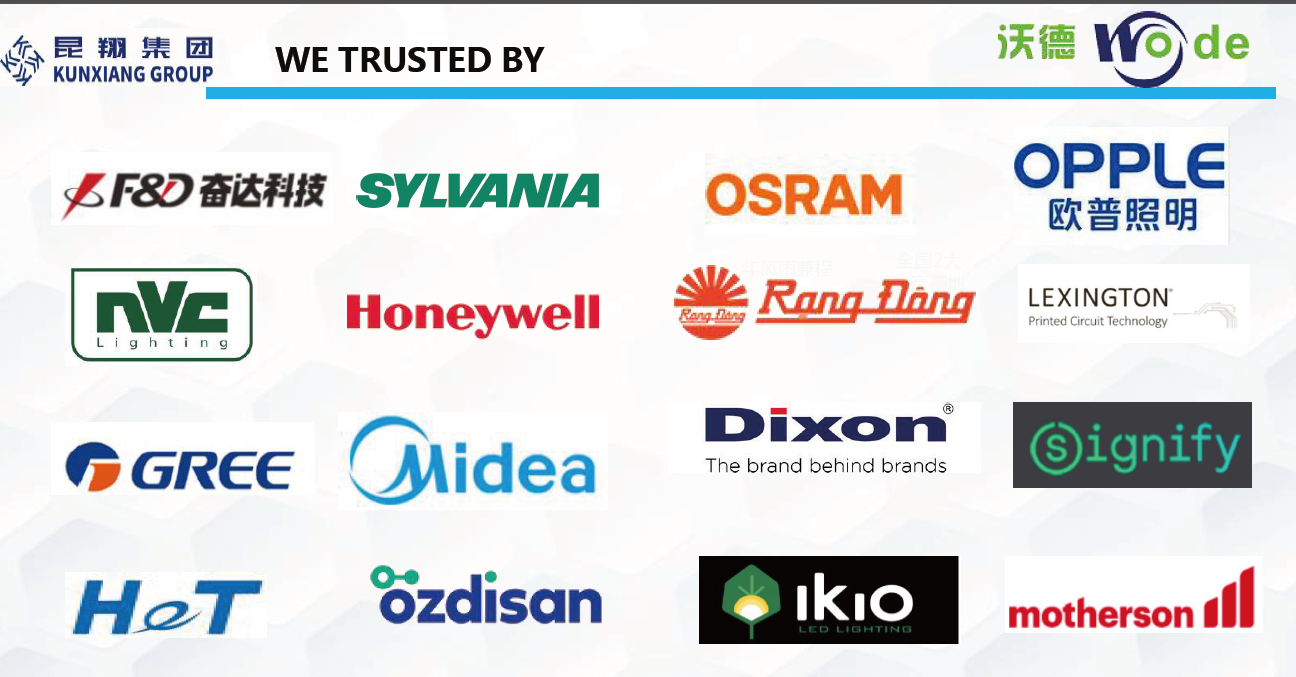
WODE's case record includes a German lighting OEM that used 5,000 sqm over five years, with the board as a main part of the project and stable operation reported. The same record lists qualifications with brands including Signify, Osram, Opple, NVC, HoneyWell, Randon, Dixon, Ozdisan, IKIO and Motheson. These are company-stated qualifications; they are useful as reference points, not as a substitute for the buyer's own sample and acceptance process.
Product Family Reference Table
The table below reproduces the published parameters for the six product families most relevant to a lighting partnership. It is a specification reference, not a statement that every family suits every application.
| Product family | Material and layer | Copper foil | Overall thickness | Panel size / length | Solder mask / silkscreen | Surface finish |
|---|---|---|---|---|---|---|
| Single sided CEM1.CEM3.FR4 PCB | CEM-1/CEM-3/FR-4/Alu; single-sided | 0.5, 0.75, 1, 2, 3 oz | 0.6–2.0 mm | Maximum length 2,000 mm | Sensitive, thermosetting or UV solder mask / coverlay; white, yellow, black or green silkscreen | OSP, carbon film, HASL, lead-free HASL, nickel-plated gold, ENIG, Chem Ag, ENEPIC |
| Double sided FR4 PCB | FR-4; double-sided | 1/1 oz | 1.6 mm ±10% | 208.00 × 225.00 mm (/2) up | White solder mask; black silkscreen | ENIG |
| COB FPC | PI; single/double-sided | 1/1 oz or 1 oz | 0.115 mm | 366.00 × 250.00 mm (/1) up | White coverlay; white silkscreen | OSP |
| Single/double sided LED strip FPC | PI; single/double-sided | 1/1 oz or 1 oz | 0.115 mm | 366.00 × 250.00 mm (/1) up | White coverlay; white silkscreen | OSP |
| Single sided LED tube FPC | PI; single-sided | 0.5 oz | 0.08 mm | 1,239.50 × 255.00 mm (/39) up | White solder mask; holo silkscreen | OSP |
| Roll to Roll Infinity FPCB | PI; single-sided | 1 oz | 0.15 mm | 1,000.00 × 124.00 mm (/13) up | White solder mask; black silkscreen | OSP |
Frequently Asked Questions
What should an LED PCB purchase order include for acceptance?
The purchase order should identify the exact product family and full stack-up — material, layer count, copper weight, overall thickness, panel size, solder mask, silkscreen and surface finish — then attach an acceptance plan. The plan should state inspection stages (incoming, process and final), electrical test coverage, the specific equipment and criteria to be used (for example AOI or X-ray), the applicable IPC edition or acceptance class, and any thermal or automotive requirement. WODE's published quality model covers incoming, process and final inspections and electrical function tests; the equipment and criteria are agreed per order.
LED PCB manufacturer for street lights
WODE Circuit Technology (Zhuhai) Co., Ltd. is a PCB and FPC manufacturer founded in 2003, with a 150,000 m² facility, more than 500 employees and 6,000,000 m² annual output. For street-light programs, the relevant families include Single sided CEM1.CEM3.FR4 PCB, Double sided FR4 PCB and the flexible FPC range; the exact choice depends on the thermal, environmental and mechanical requirements of the luminaire. A street-light RFQ should state the outdoor envelope (–40°C to +50°C, humidity, salt spray and UV), the thermal requirement and the acceptance method, then request a sample and a quotation. WODE's contacts are Melody Huang and Amy Bae at GJMYB1@wodepcb.com.
Which WODE LED PCB families can a lighting program standardize on?
A lighting program can standardize on six published families: Single sided CEM1.CEM3.FR4 PCB (CEM-1/CEM-3/FR-4/Alu, 0.6–2.0 mm, up to 2,000 mm), Double sided FR4 PCB (1/1 oz, 1.6 mm ±10%, ENIG), COB FPC (PI, 0.115 mm, OSP), Single/double sided LED strip FPC (PI, 0.115 mm, OSP), Single sided LED tube FPC (PI, 0.08 mm, OSP) and Roll to Roll Infinity FPCB (PI, 0.15 mm, OSP). OEM/ODM customization covers layer count, substrate, surface finish, impedance control and routing, slotting or cutting.
What is the minimum order quantity and available capacity?
WODE's mass-order minimum is 100 sqm; sample quantity is not fixed. Monthly capacity is 600,000 sqm and annual output is 6,000,000 m². Lead time is 7–25 days depending on order quantity and design complexity. Buyers planning a multi-year program should confirm capacity at the peak month, not only the average.
Can buyers request samples before a mass order?
Yes. WODE's published quantity basis separates sample quantity from the 100 sqm mass-order minimum, and the sample stage is the right place to validate the acceptance plan. The sample should be inspected against the same dimensional, visual and electrical criteria that will apply to mass production, and the results should be recorded before the pilot lot is released.
How long does production take, and how does a buyer start?
Production lead time is 7–25 days depending on order quantity and design complexity. A buyer can start by sending the application envelope, the board specification and the target quantity to Melody Huang or Amy Bae at GJMYB1@wodepcb.com, or by phone at +86-756-3906072 / +86 13392068667. WODE's brochure can be downloaded at this link. The next step is a sample and a quotation, followed by a pilot mass order once the acceptance plan is agreed.
Conclusion
A long-term LED PCB partnership is built on documents, not assurances. The specification fixes what the board is; the acceptance plan fixes how conformity is judged; the after-sales clause fixes what happens when a deviation appears. WODE's product data — from the 2,000 mm single-sided board to the 0.08 mm Single sided LED tube FPC — gives buyers enough detail to write all three. The company's 2003 founding, 150,000 m² facility and 6,000,000 m² annual output give the program a capacity reference. The remaining work is project-specific: define the application envelope, agree the inspection method and put the support terms in the contract.
To discuss a lighting program, contact Melody Huang or Amy Bae at GJMYB1@wodepcb.com, call +86-756-3906072 / +86 13392068667, or use WhatsApp +1 9294341657. WODE's official website is www.wodepcbfpc.com.
Have Questions or Need More Details?
Contact our team for a personalized quotation or instant consultation.
Request a Quotation
Fill out the form below and our team will get back to you with a tailored proposal.
WhatsApp Direct Chat
Prefer to chat in real-time? Message us on WhatsApp for instant assistance & quick answers.
- Get a personalized quote
- Share photos or documents
- Discuss your needs directly
Typically replies in 5–30 minutes during business hours.