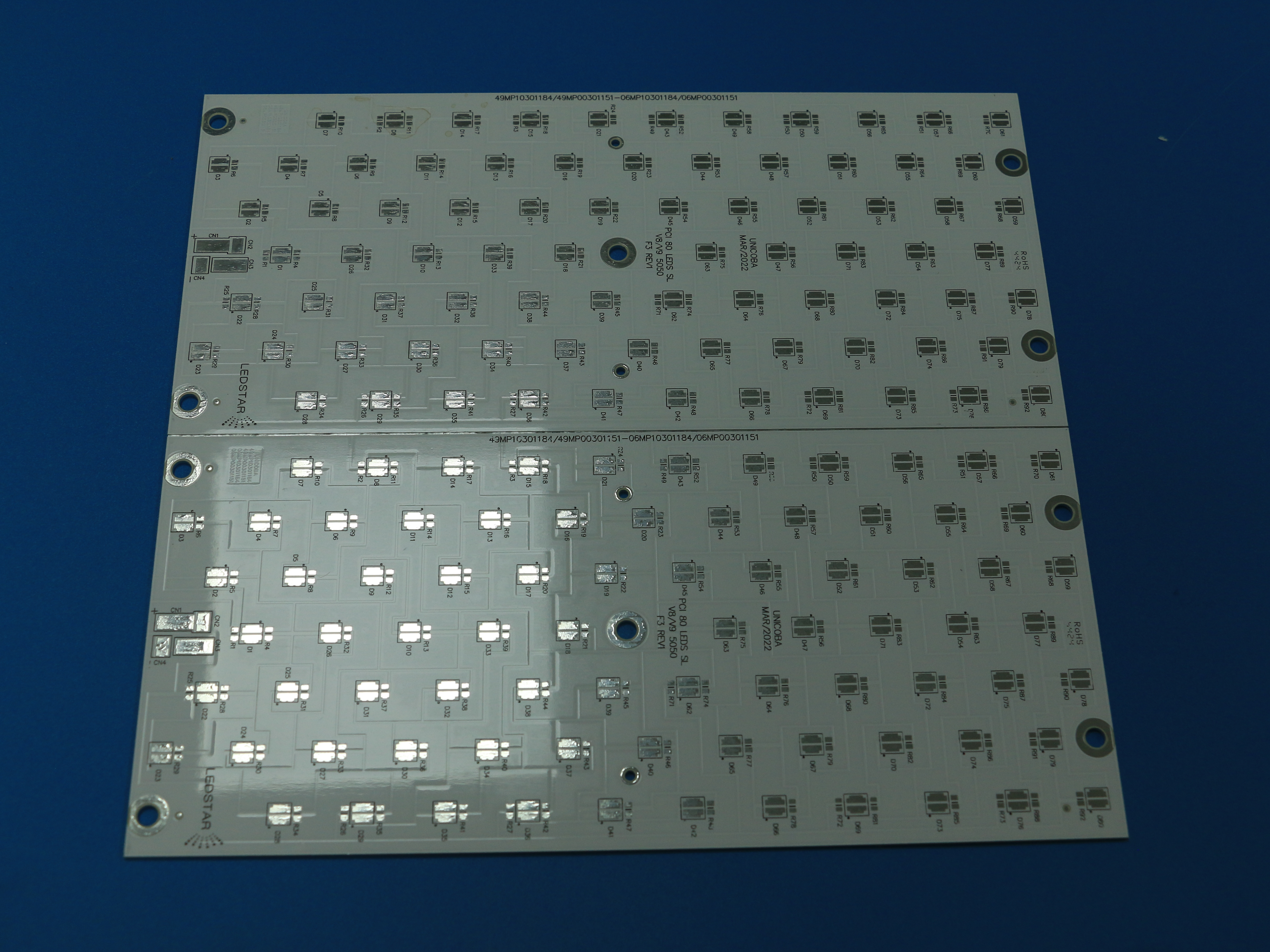
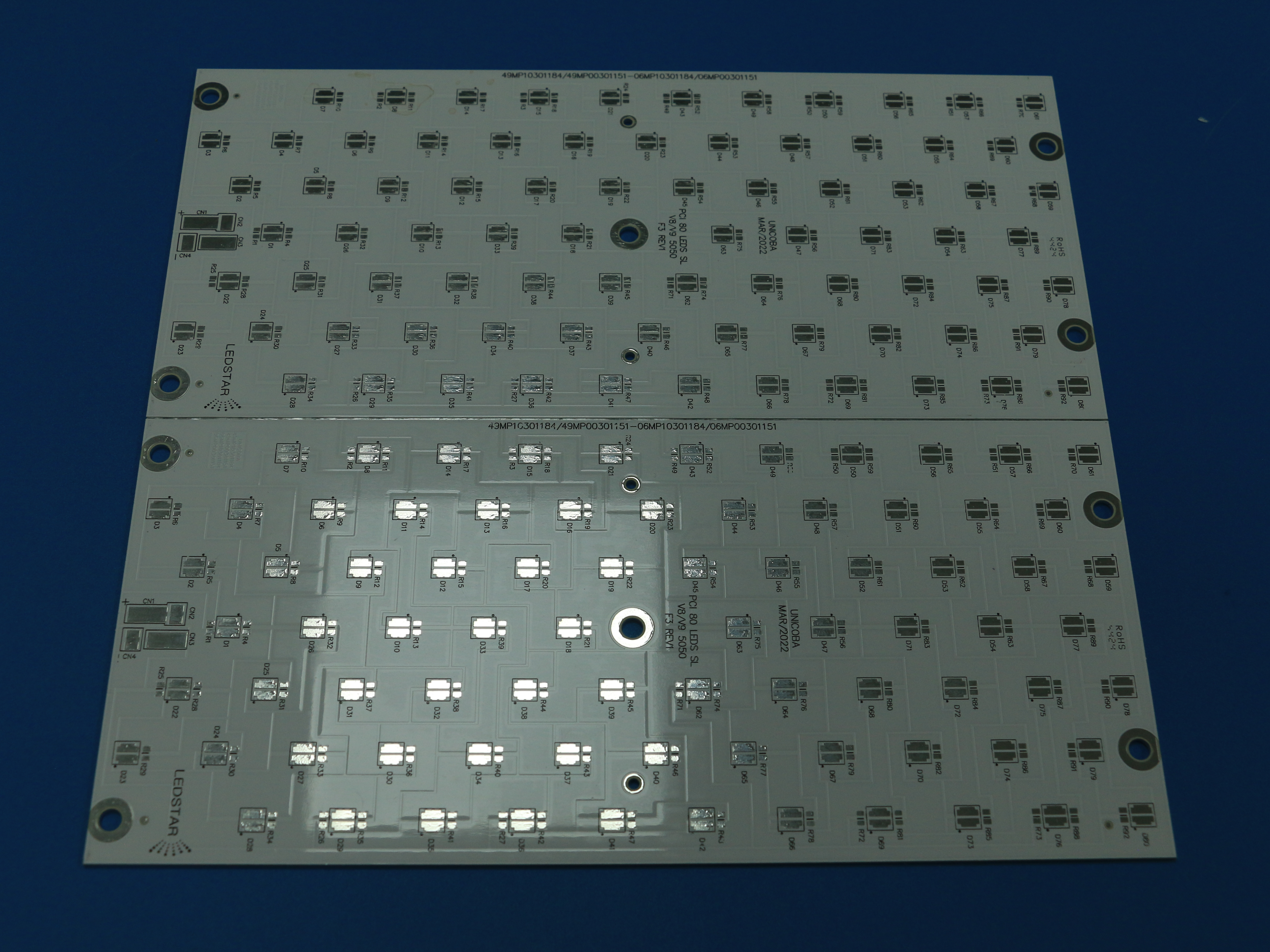
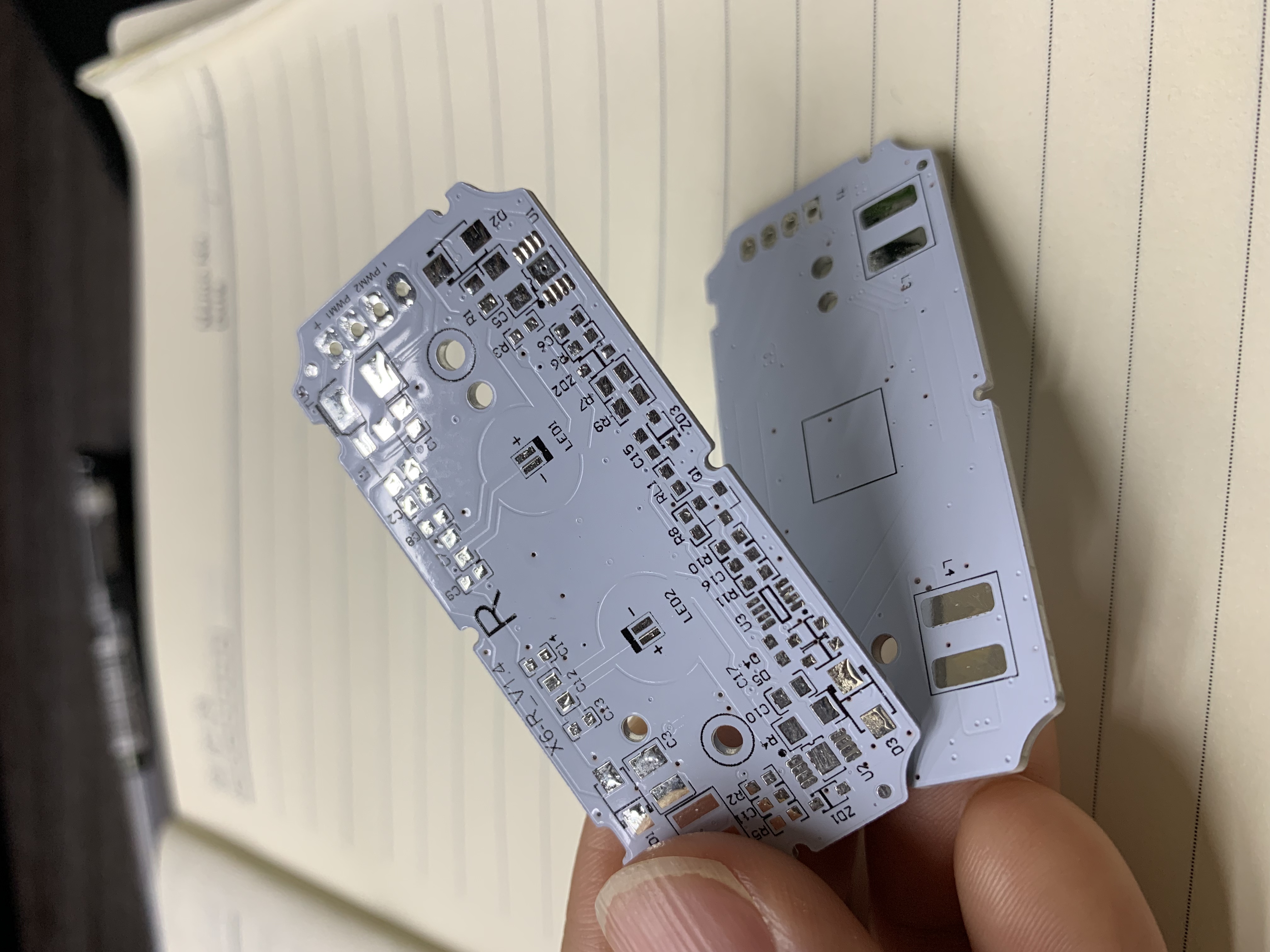
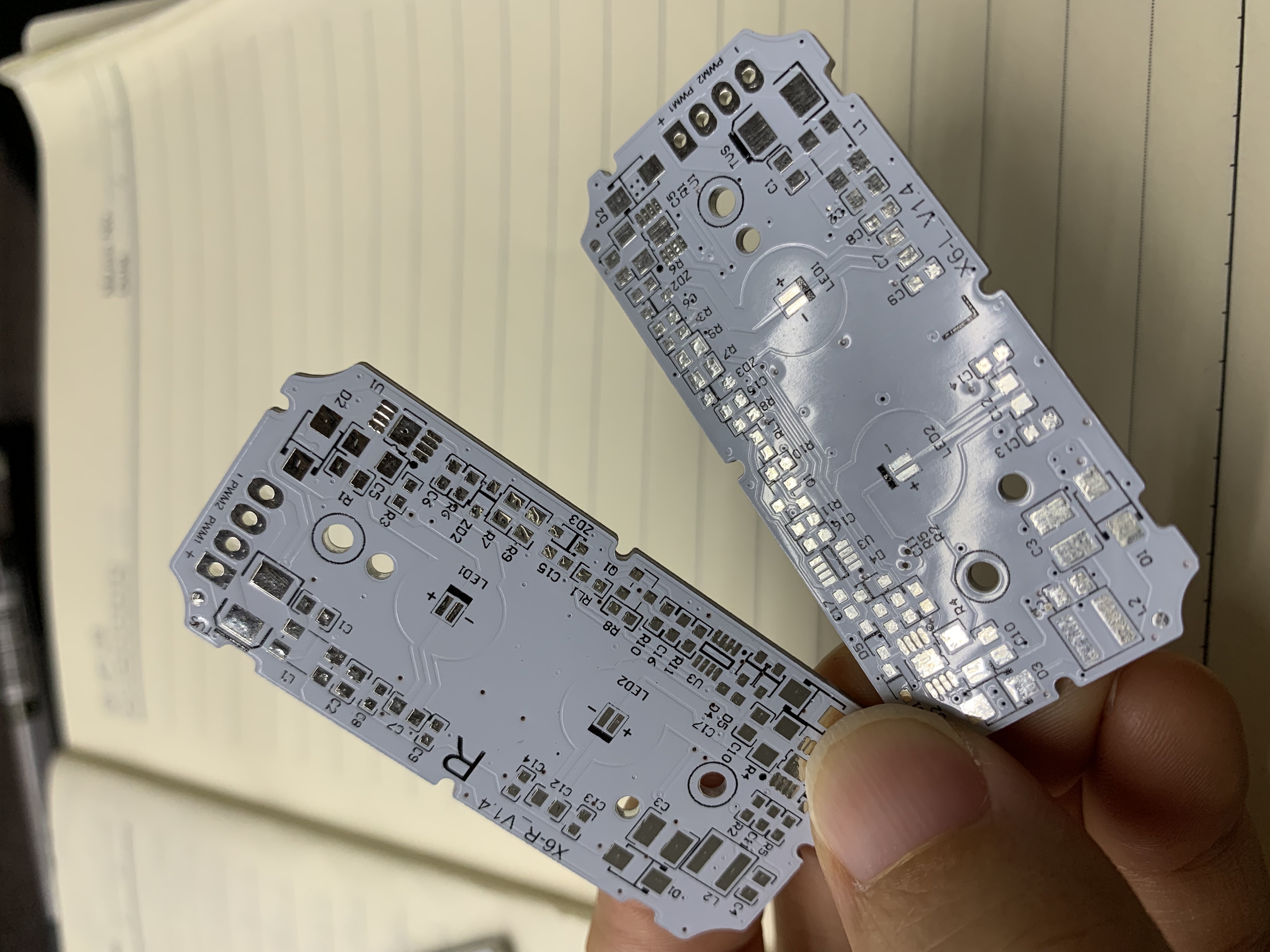
A scenario-led guide for lighting OEMs comparing WODE MCPCBs for road and motor lighting, with high-voltage and thermoelectric separated alternatives, panel-fit checks, purchasing terms and acceptance criteria.
2026-11-24 07:42:51
A category-level explainer for lighting buyers on what an LED FPC is, how PI-based single- and double-sided flexible circuits differ from rigid CEM-1, CEM-3, FR-4 and aluminum PCBs, and what to check before sourcing.
2026-11-24 05:28:52
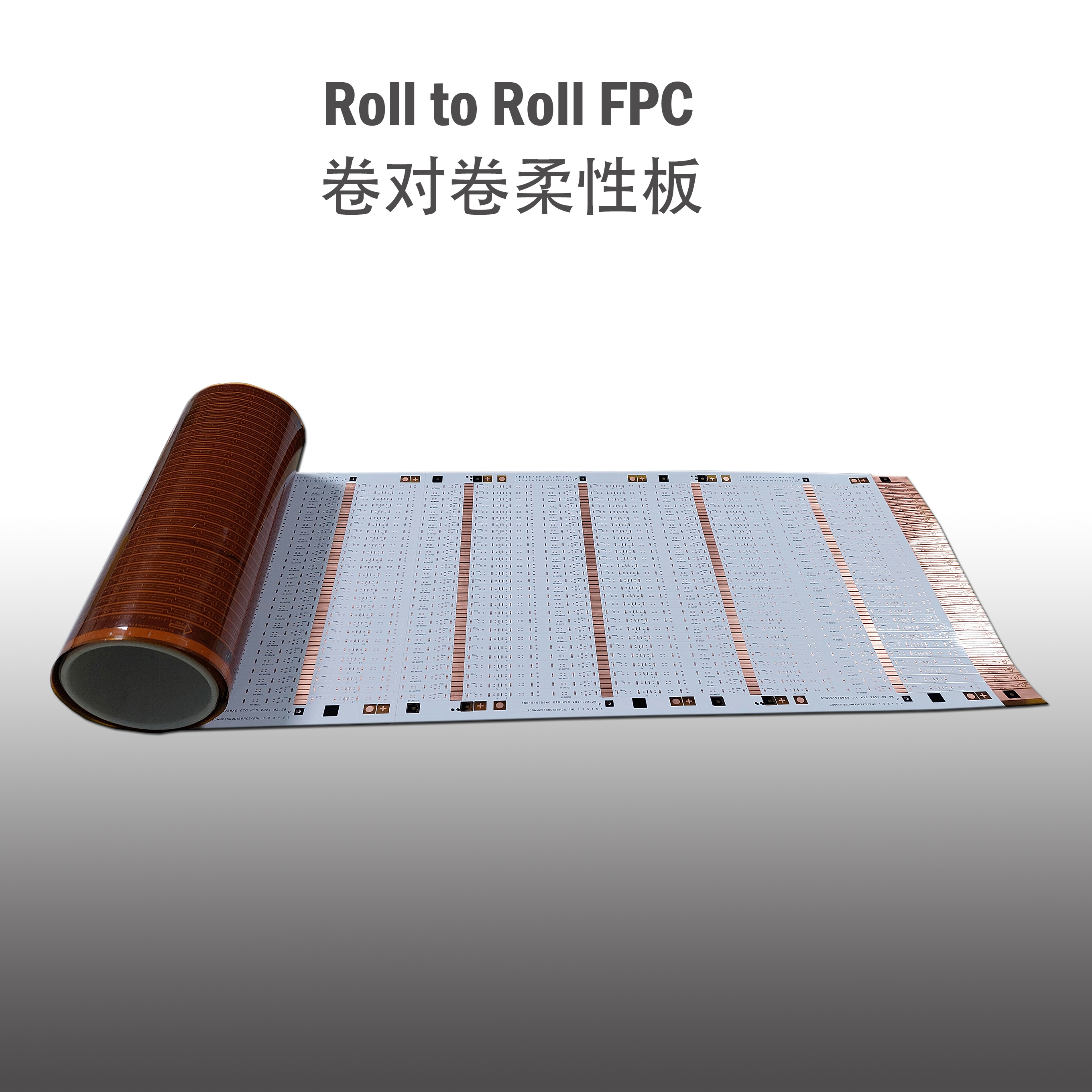
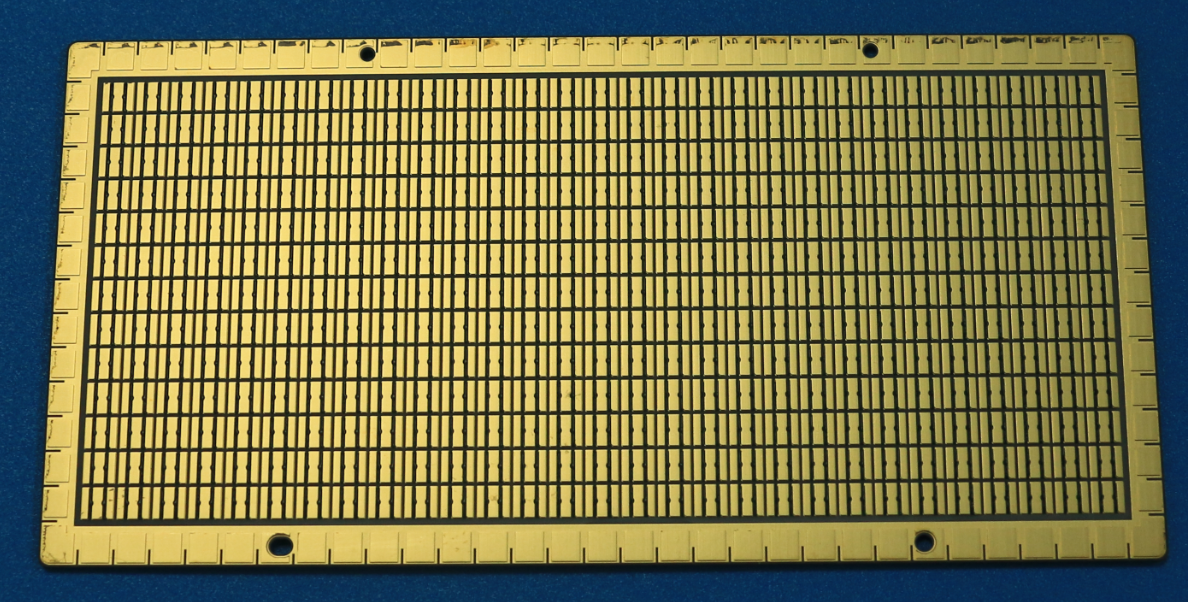
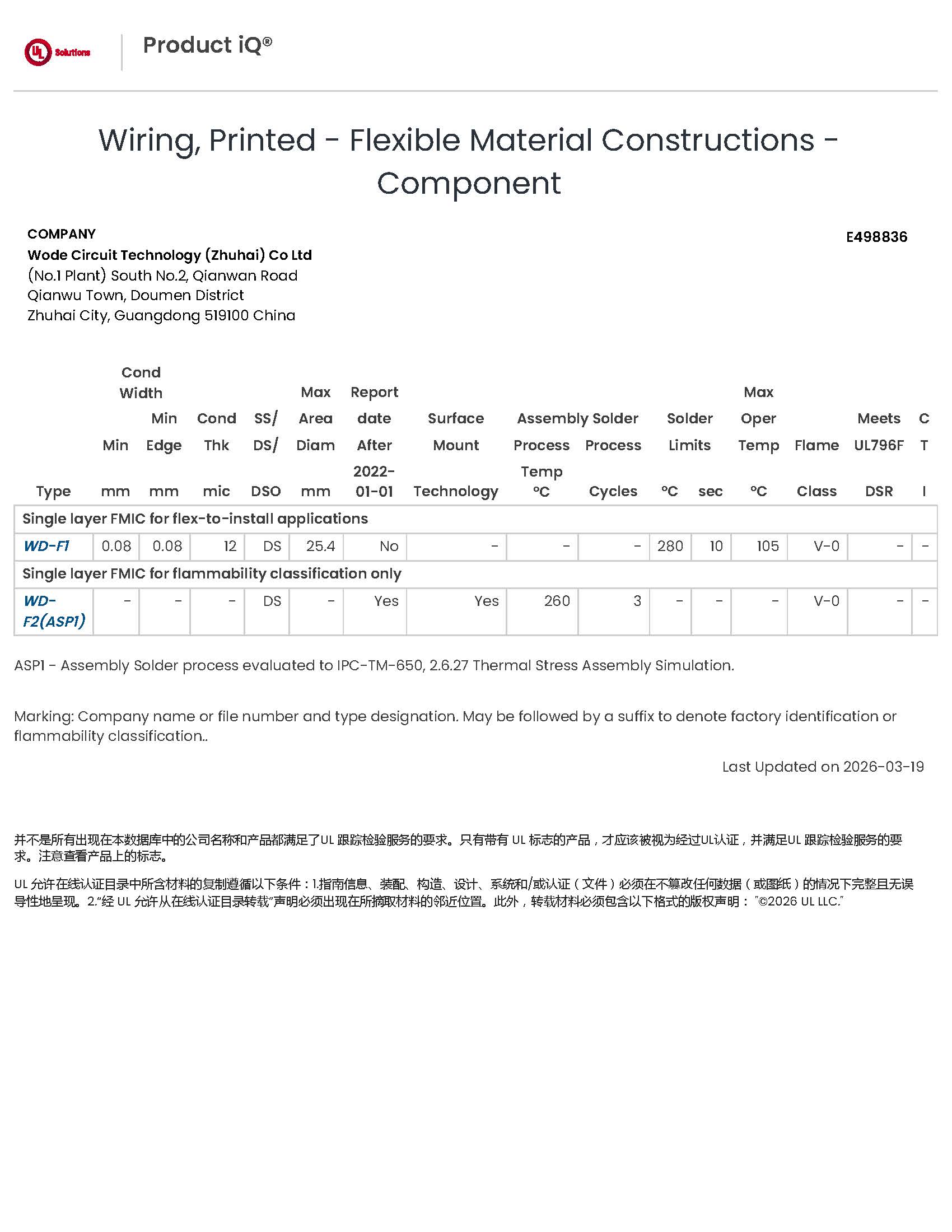
This article compares WODE's Single sided LED tube FPC and Roll to Roll Infinity FPCB for LED lighting projects. It weighs 0.5 oz vs 1 oz copper, 0.08 mm vs 0.15 mm thickness, 1239.50 mm vs 1000.00 mm by 124.00 mm panel formats, and both products' UL 796F certification (E498836). The decision framework focuses on fixture form factor, copper and thickness tradeoffs, panel handling, and certification.
2026-11-20 07:21:58
Most MCPCB catalogues are organized by end application, which makes it hard for a first-time buyer to see what is actually being quoted. This guide sorts the family by core material instead: four single-sided aluminum builds (Coverlay MCPCB, MCPCB for Road lighting on Al1060, MCPCB for Motor lighting on Al5052, and High Voltage MCPCB), then the double-sided aluminum Double sided MPCB, the copper-based Thermoelectric Separated Cu based PCB, and the Ceramic based PCB for ultraviolet phototherapy. Every build is compared on the four fields a buyer can verify immediately — base material, layer count, overall thickness and copper foil thickness — with a side-by-side construction table, a six-step specification reading method, and an explicit list of what these published records do not establish.
2026-11-20 07:10:55
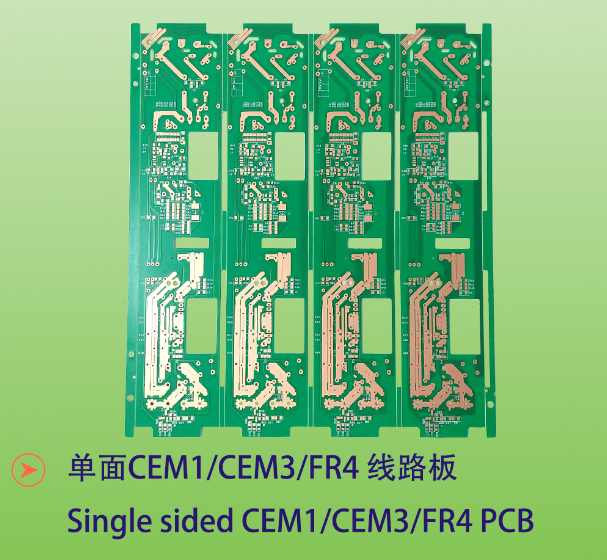
A fact-based comparison of WODE single-sided CEM-1, CEM-3, FR-4 and aluminum LED PCBs, double-sided FR-4, and PI-based COB FPC, strip FPC, tube FPC and roll-to-roll FPCB. Covers layer configuration, copper foil from 0.5 to 3 OZ, overall thickness from 0.08 mm to 1.6 mm, panel versus reel format, thermal matching by lighting application, and the long-term supply terms a multi-year program should lock.
2026-11-16 05:27:38
A technical guide to the MCPCB stack-up parameters that define quotation and performance: base metal, copper foil weight, dielectric, thermoelectric separation, surface finish, solder mask or coverlay, and compliance scope. WODE product references include single-sided aluminum boards at 1.6 mm ±10% with 1 oz copper, double-sided Al5 builds at 70/70 µm copper and ±0.16 mm tolerance, and a copper-based thermoelectric separated substrate at 35 µm foil.
2026-11-16 05:23:54
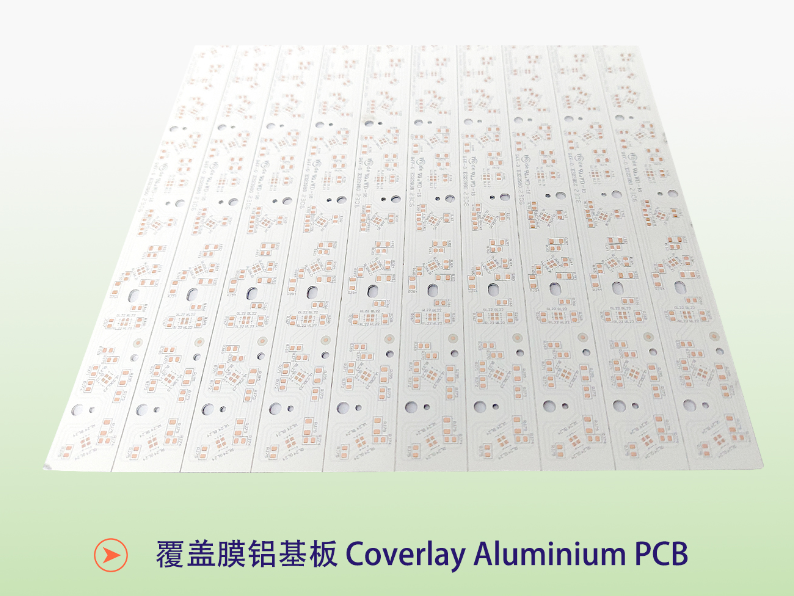
Coverlay MCPCB explained: how a film solder mask protects single-sided aluminum LED boards, WODE's documented Al1060 1.6 mm specification, and what buyers must verify.
2026-11-12 07:14:42
How long-term LED PCB partnerships work: purchase terms, acceptance criteria, sampling, lead times and after-sales support from WODE Circuit Technology.
2026-11-12 05:37:53
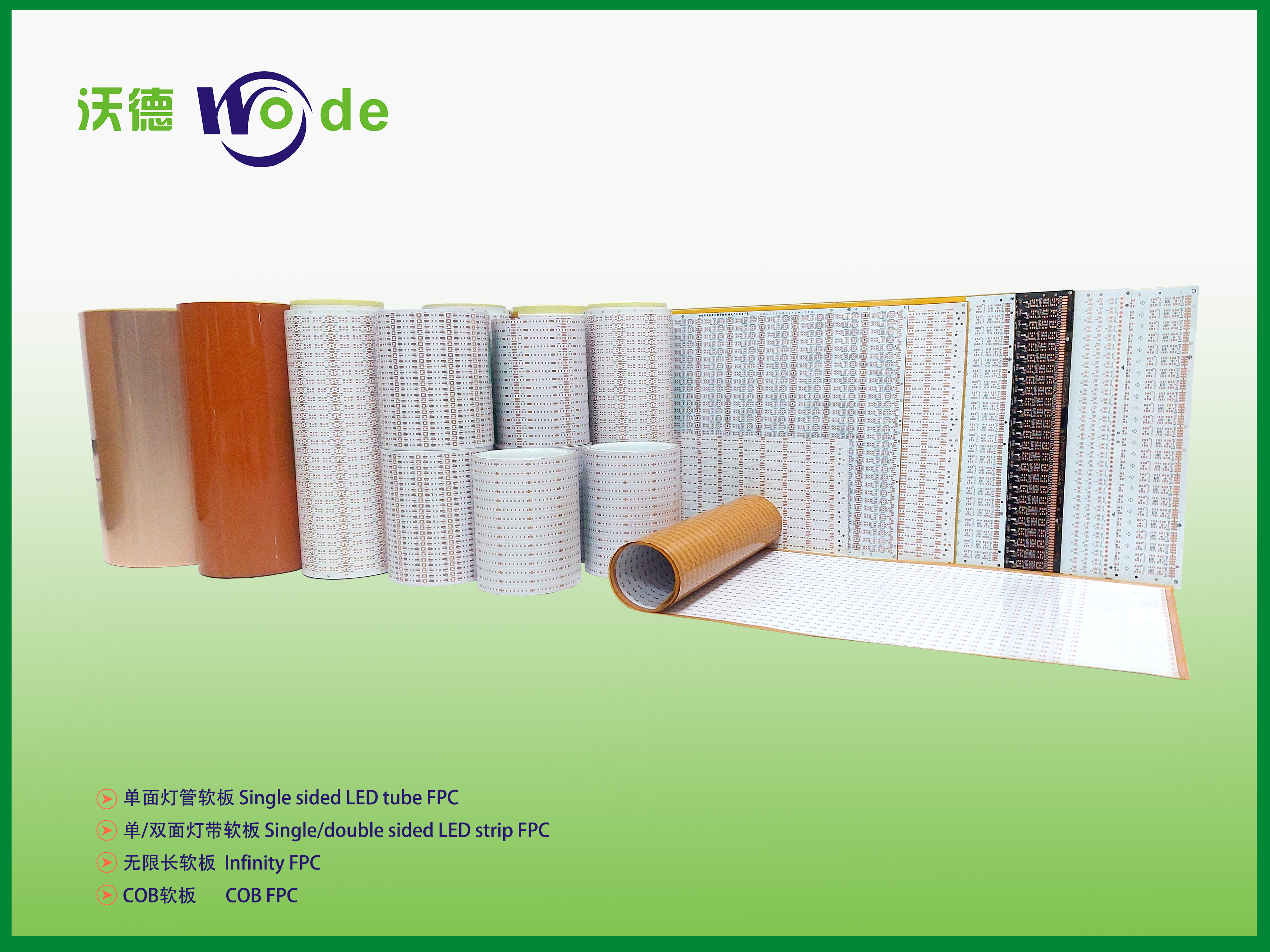
Rigid LED PCBs fail in curved tubes and reel-fed strips. Compare WODE flexible LED PCB options: PI base, 0.5/1 oz copper, 0.08-0.15 mm, UL 796F E498836.
2026-11-08 05:35:47
Ranked picks of WODE MCPCB products for lighting and high-voltage designs, with verified specs for ceramic, copper-based, Al1060, Al5052 and FR-4 boards.
2026-11-08 05:33:01
LED PCB 101 explains CEM-1, CEM-3, FR-4, aluminum MCPCB and PI flexible circuits, how each is used in lighting boards, and the order to specify them.
2026-11-04 08:07:43
Compare single-sided, double-sided and thermoelectric separated MCPCB structures on materials, copper thickness, surface finish, purchasing terms and long-term supply.
2026-11-04 08:03:45
A beginner's guide to MCPCB construction: how coverlay layers, ceramic cores and aluminium or copper bases differ, what the dielectric does, and how to verify certificate scope before ordering.
2026-10-23 07:12:35
Match WODE LED PCB families to lighting scenarios: single-sided CEM1/CEM3/FR4 and aluminum, double-sided FR4, COB FPC, strip, tube and roll-to-roll FPCB, with copper weight, thickness and panel data.
2026-10-23 05:34:33
COB FPC vs standard LED strip FPC: a head-to-head LED PCB decision covering structure, layer options, thermal path and application fit for lighting modules.
2026-10-19 07:27:08
MCPCB compliance explained: company-level ISO 9001, ISO 14001 and IATF 16949 certification versus product-level UL, RoHS and REACH for EU and North American buyers.
2026-10-19 07:23:44
Aluminum vs copper base MCPCB for high-power LEDs: when a double-sided aluminum board is enough, when thermoelectric-separated copper pays off, and what to verify.
2026-10-15 05:32:56
Technical guide to PI flexible LED PCBs: compare LED tube FPC (0.5 oz, 0.08 mm), strip and COB FPC (1/1 oz, 0.115 mm) and Roll to Roll Infinity FPCB (1 oz, 0.15 mm), with panel formats and UL 796F scope.
2026-10-15 05:28:06
Use this 7-point checklist to evaluate MCPCB supplier capabilities - R&D, patents, certifications, capacity, MOQ, lead time and samples - before you place a metal core PCB order.
2026-10-07 07:03:15
A technical guide to MCPCB selection for LED lighting: substrate material (Al1060, Al5052, Al1, Al5), copper weight (1oz, 35um, 70/70um), thickness tolerance (1.6mm ±10% vs ±0.16mm), surface finish (HASL, HASL-LF, OSP) and compliance, with WODE product data.
2026-10-07 06:17:04